← Work
Event delivery · Nairobi · May–June 2023
UNHA2
Turning a new digital product into a registration operation that had to work in the real world.
The assignment
UNHA2 was not a software launch. It was a live operating environment.
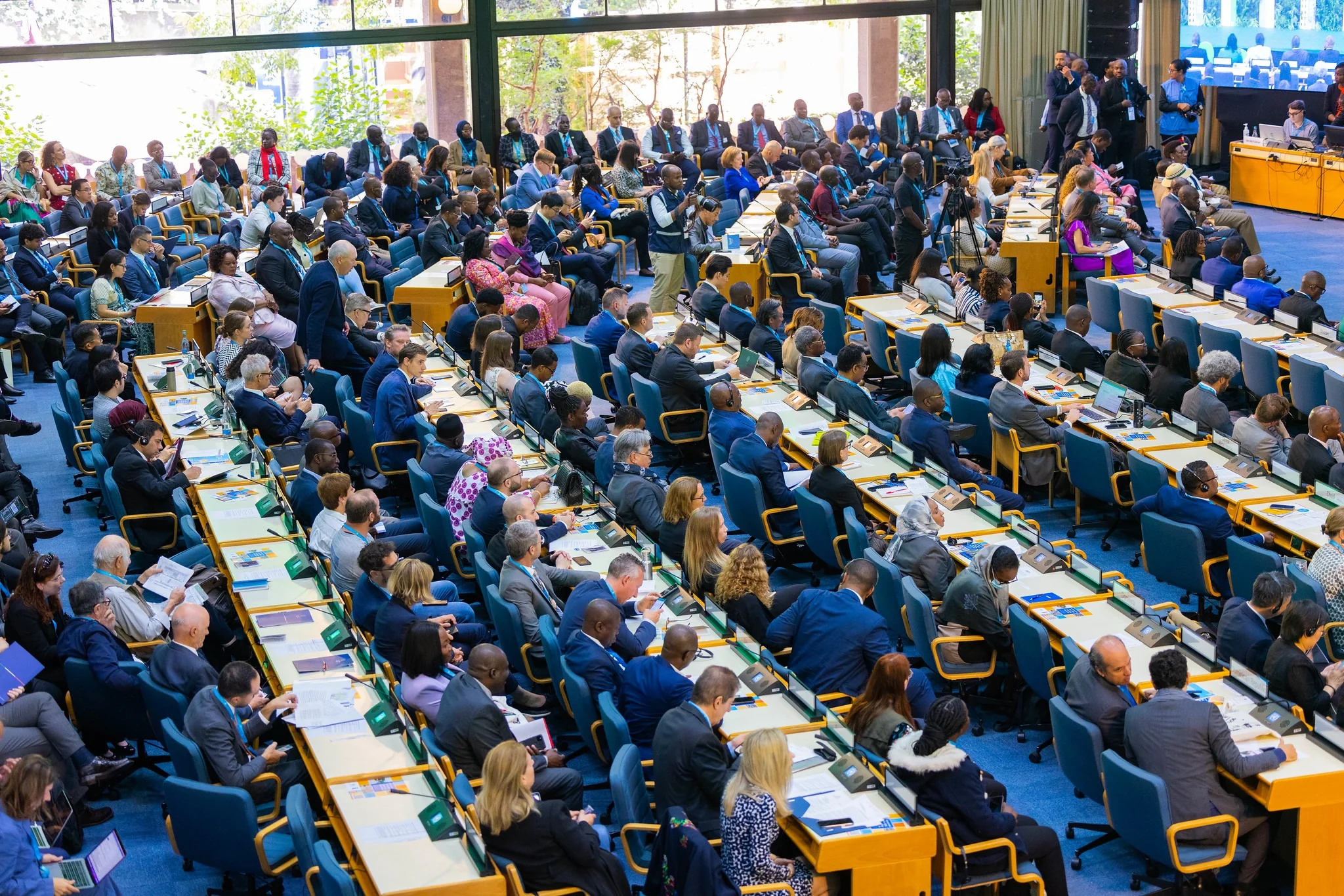
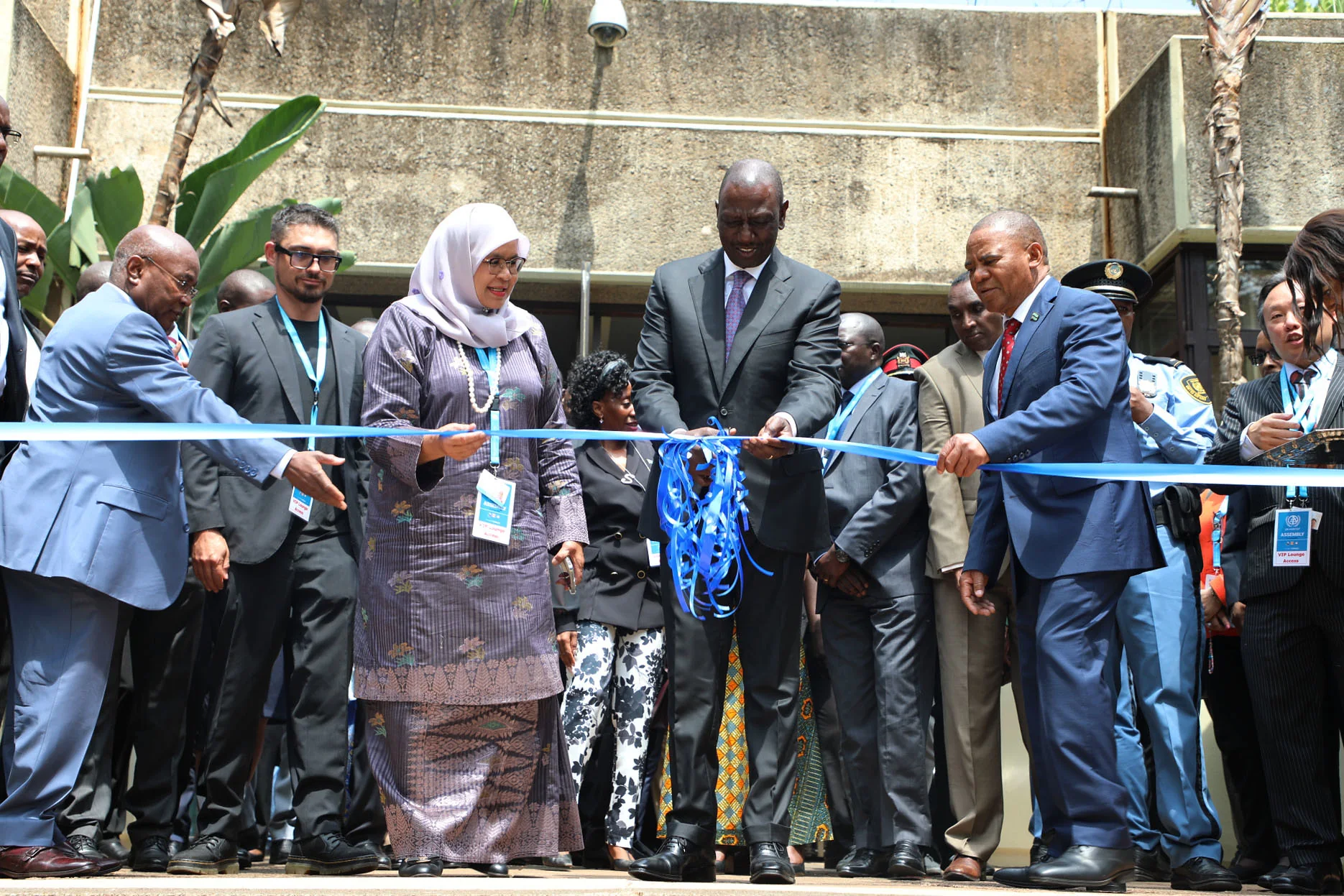
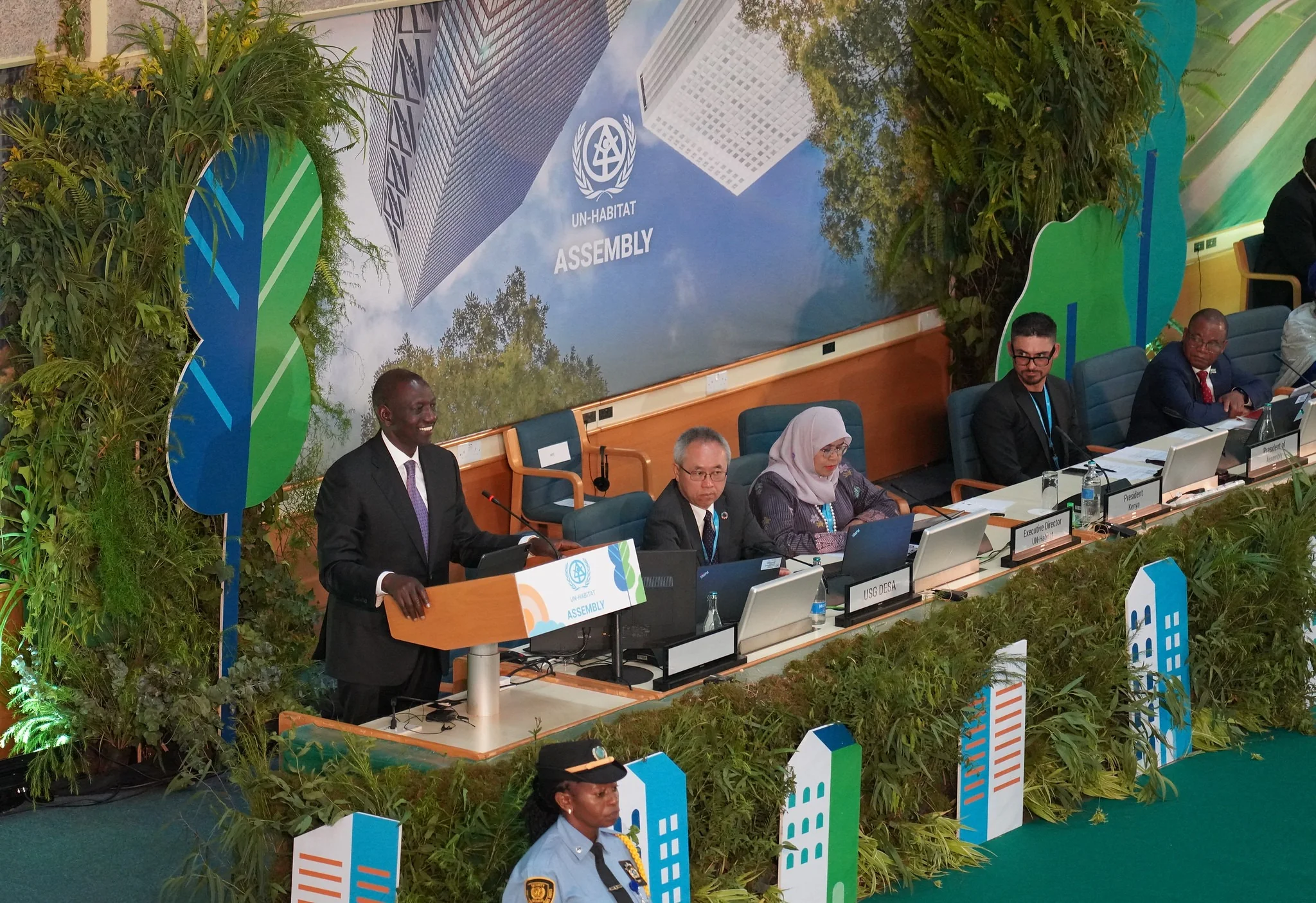
The second session of the United Nations Habitat Assembly brought Member State delegations, ministers, diplomats, UN entities and accredited stakeholders to Nairobi. The digital layer had to work together with security, accreditation, registration desks, photography, printers, staff instructions and physical queue movement.
GEMS Alpha was still evolving. At the same time, the venue and the process around it had to be made understandable enough that a temporary operational team could run it under pressure.
*Project planning figure retained here until the final public version is checked against the documented official attendance figure.
Make the operation visible
There was no single picture of how registration actually worked. So I drew one.
The flow crossed organizational boundaries: UNDSS at the compound entrance, online registration status, accreditation checks, official letters, identity documents, on-site registration, photography and badge printing. Each group understood its own part; the missing piece was one end-to-end operating model.
Reconstructed from my original 2023 registration-flow scheme
Enter UN compoundUNDSS security / bag scan
↓
Ask: registered online?Route the participant into the correct path
ARegistered / found in database
Search by registration code, name, passport or Kenyan ID
Verify accreditation status
Issue verification card with badge type and profile number
BNot registered, but eligible
Check official letter confirming Government or accredited-organization representation
Verify organization accreditation and original passport / Kenyan ID
Complete on-site registration and issue verification card
CNot accredited
Do not continue to badge production
Route back to the relevant accreditation / eligibility decision
↓
Badge production deskSearch using the verification-card profile number
↓
Badge handed overThe digital record becomes a physical credential
Why this mattered
The diagram became a coordination tool, not a design artifact.
It gave the teams one shared sequence to discuss. It exposed hand-offs, clarified where decisions were made, showed what information had to travel with the participant and made it easier to design the physical registration area around the actual journey.
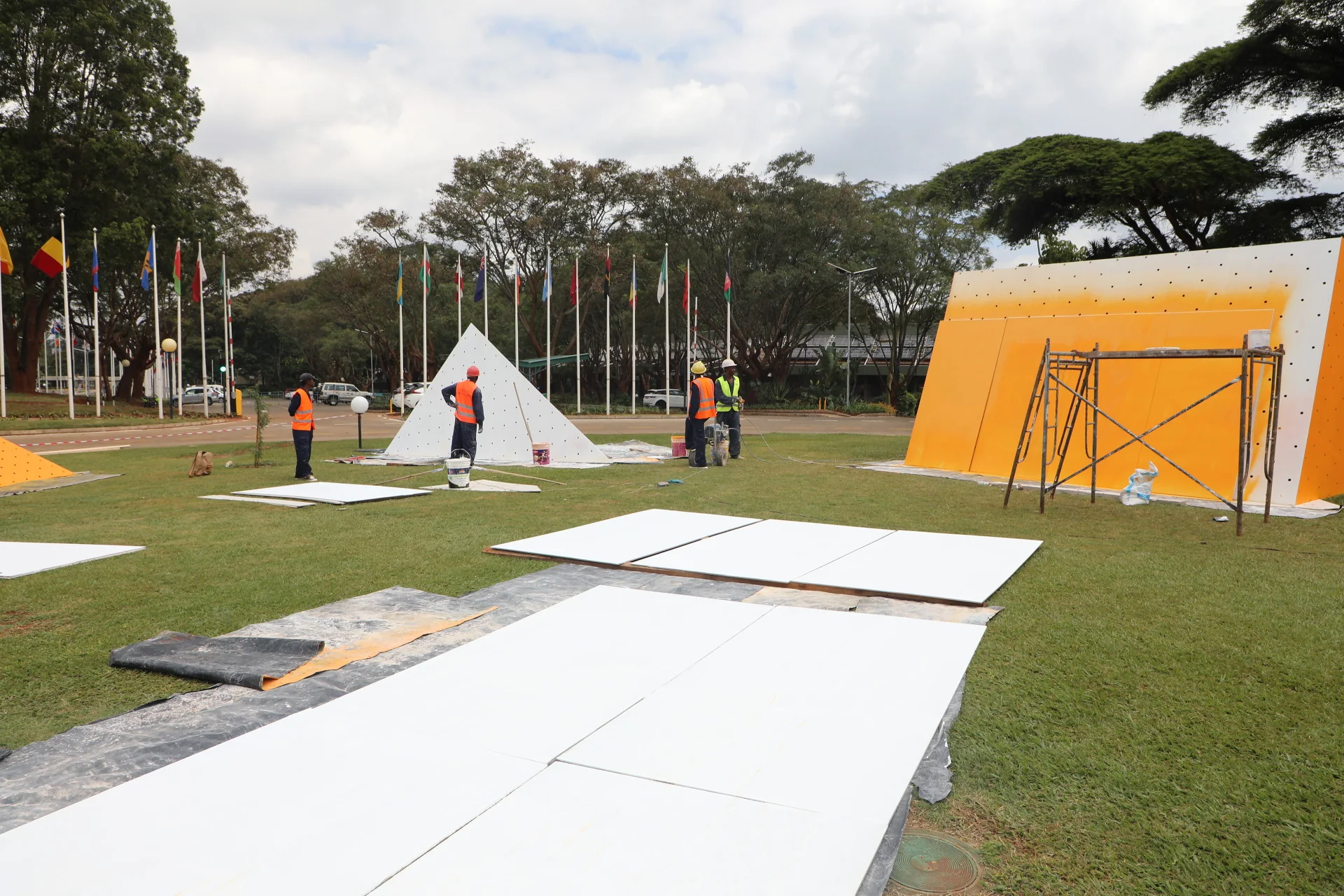
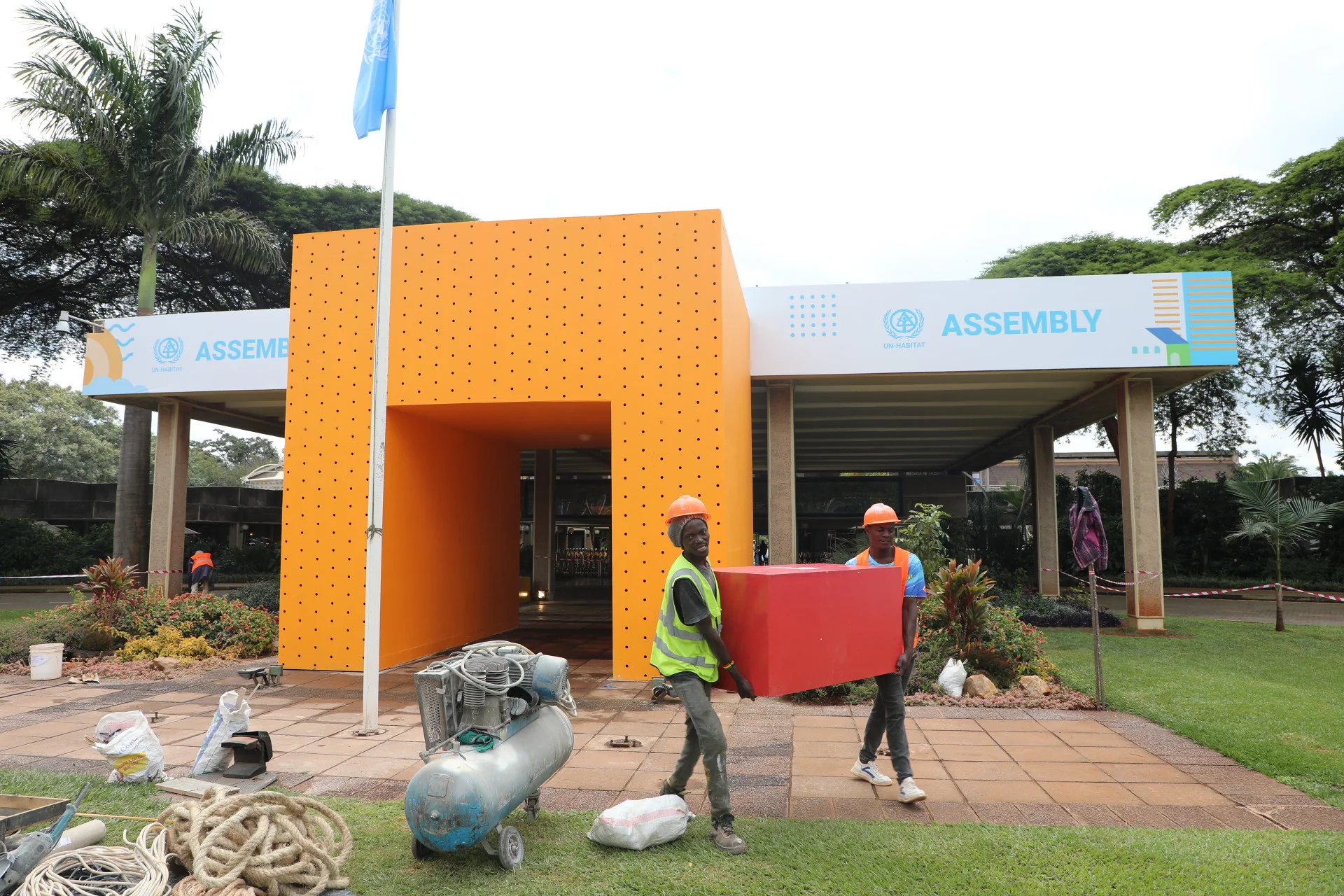
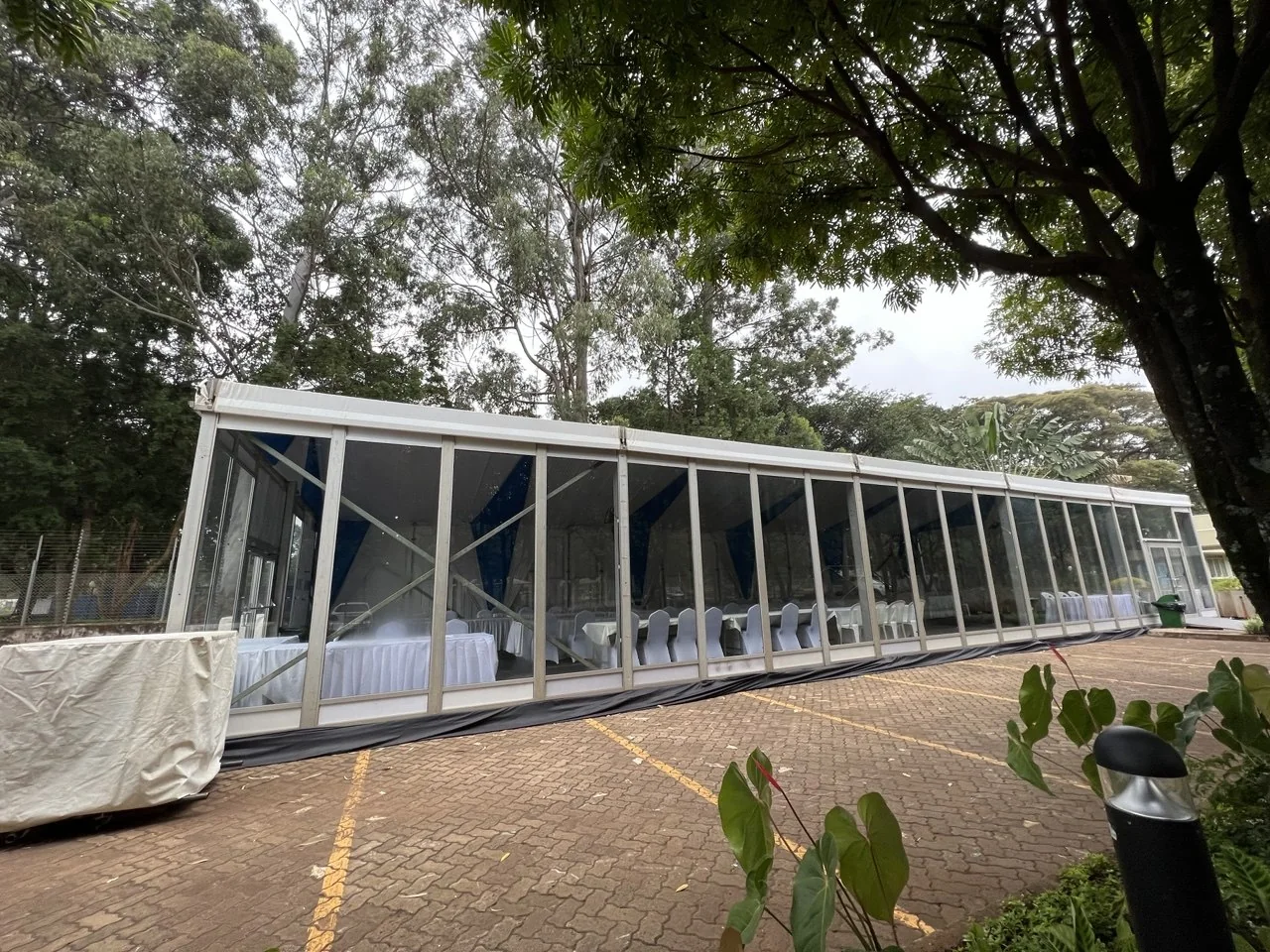
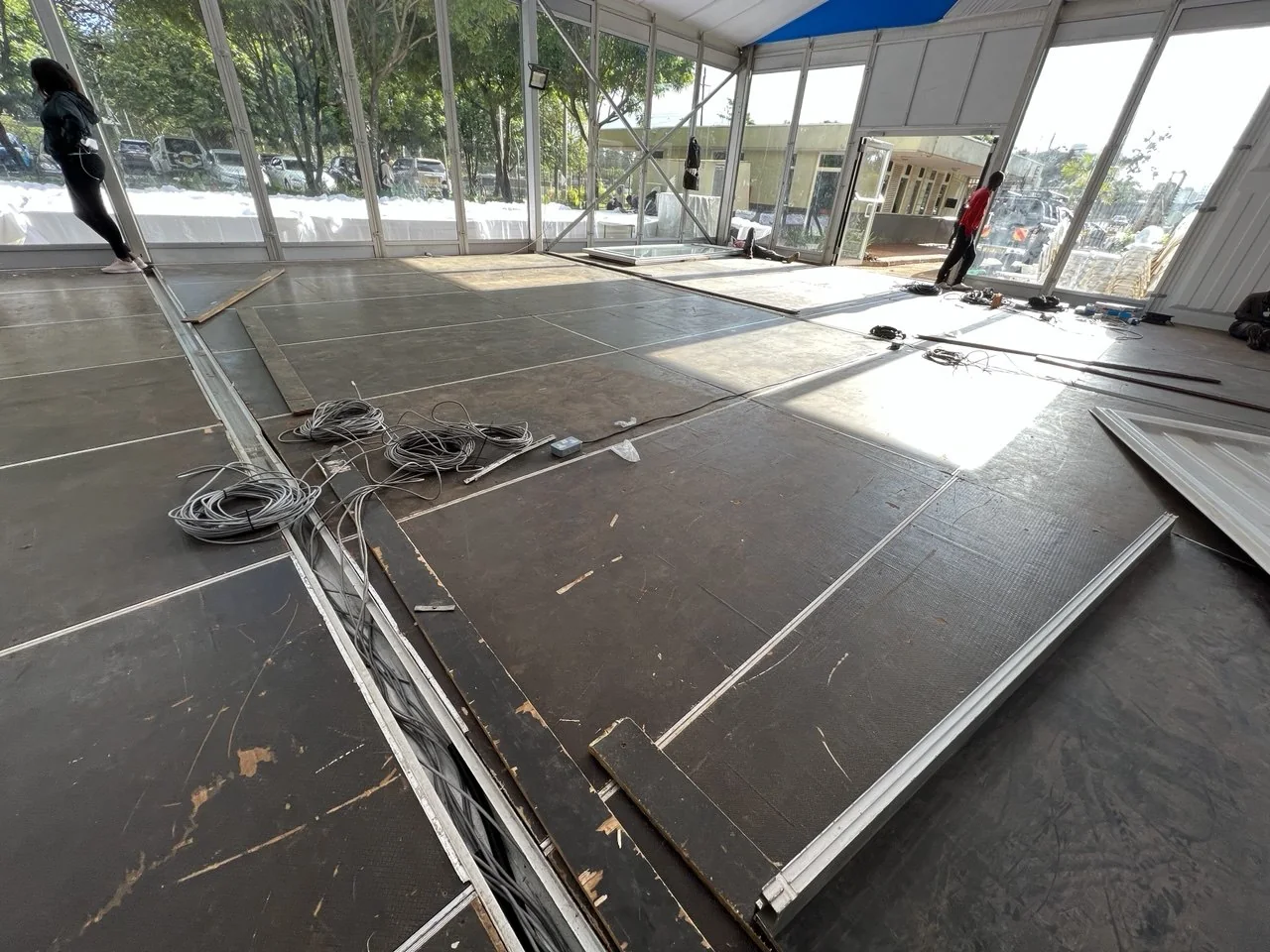
The venue is part of the system
Software, people, furniture, connectivity and signage all had to line up.
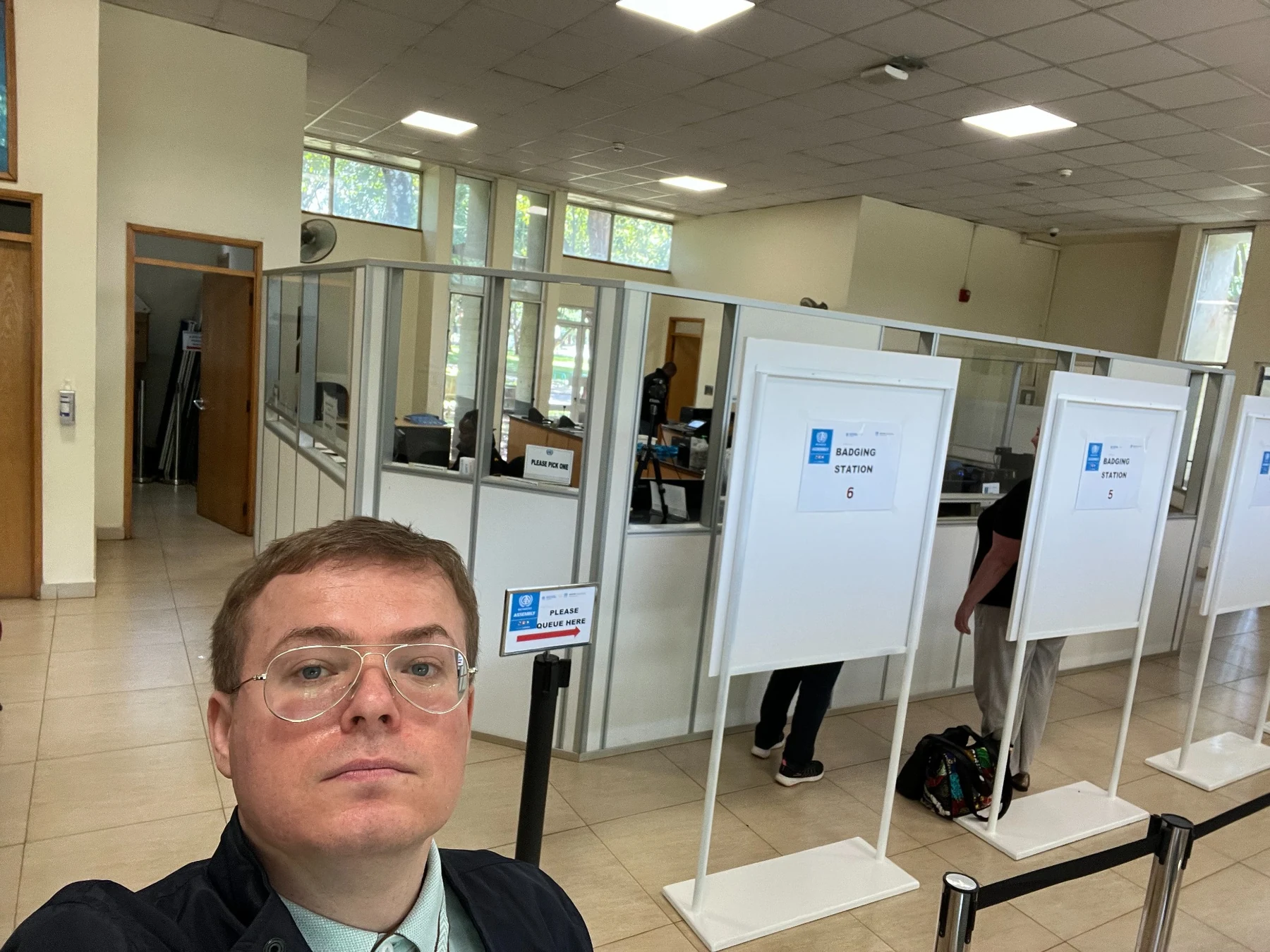
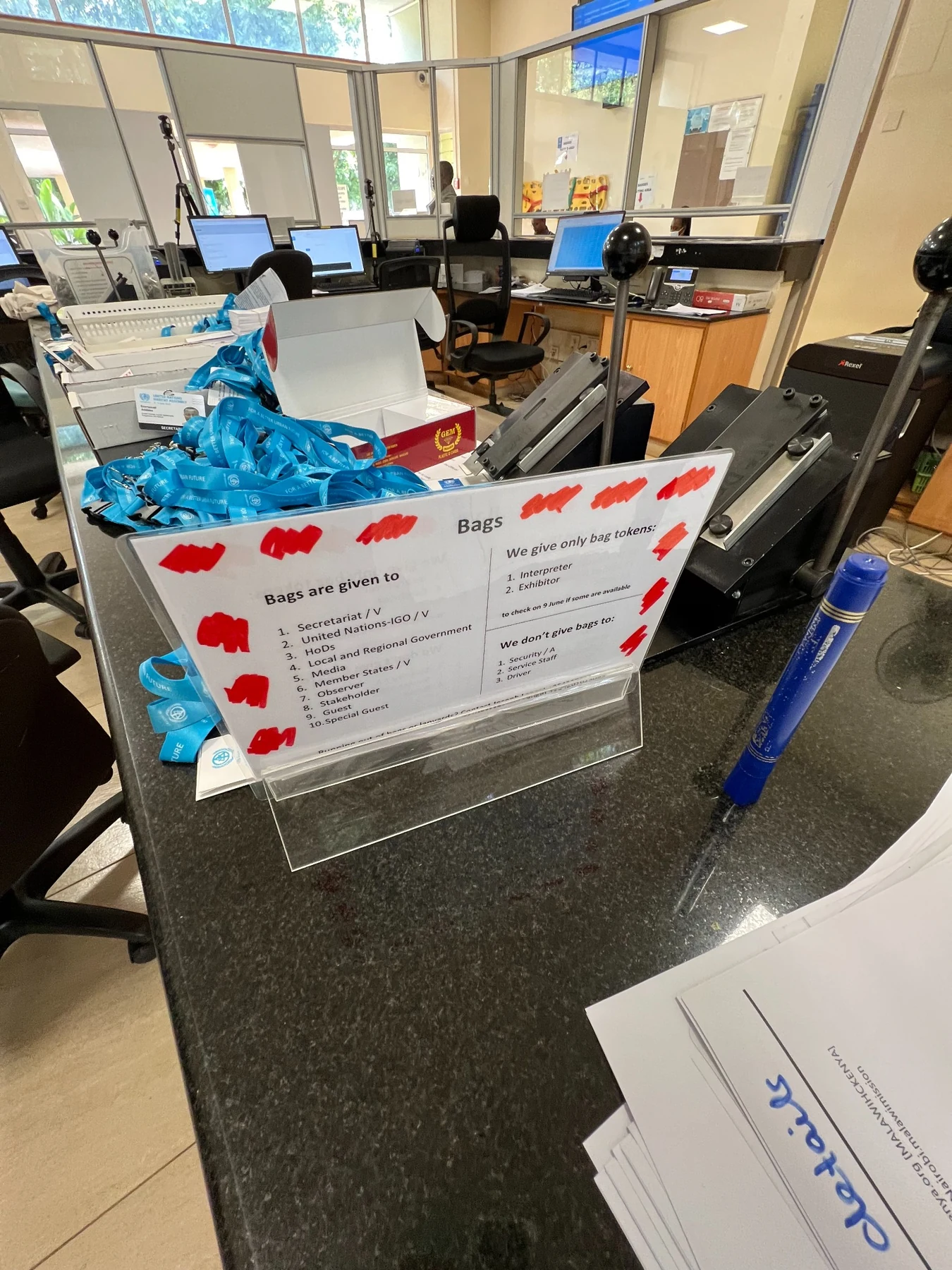
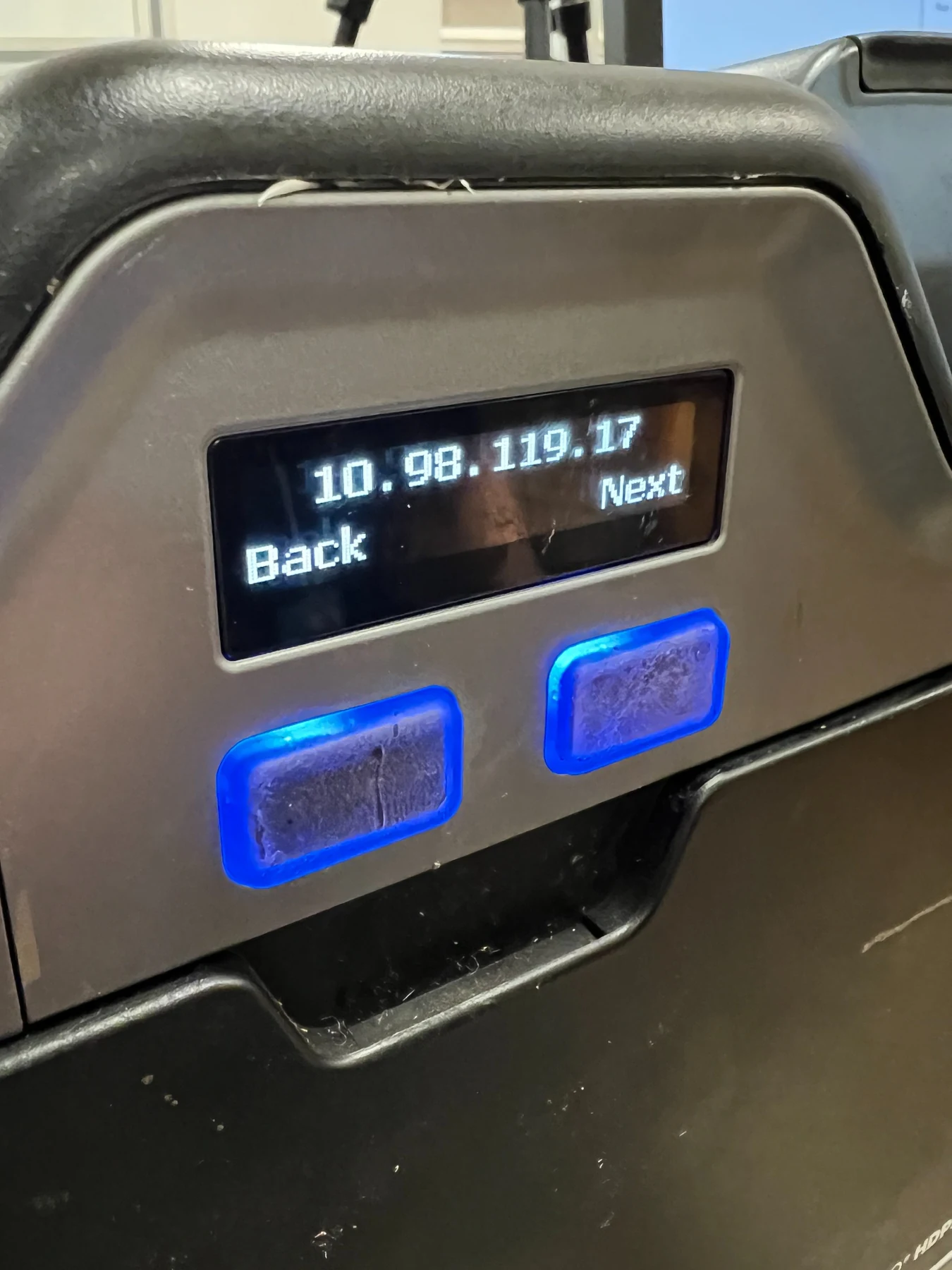
Once the participant journey was clear, the work became physical: desk placement, queue direction, laptops, printers, network access, staff roles, troubleshooting routes and the simple instructions that let people operate consistently.
Design the hand-offs
A process fails at the boundary between teams more often than inside a single screen.
Make instructions disposable
Short, visual operating instructions were more useful on site than a long manual nobody would read.
Test in the actual environment
Network access, printers, cameras and physical movement can change what the software needs to do.
Keep product and operations connected
A change in the room could become a software requirement that same day — and vice versa.
Operational enablement
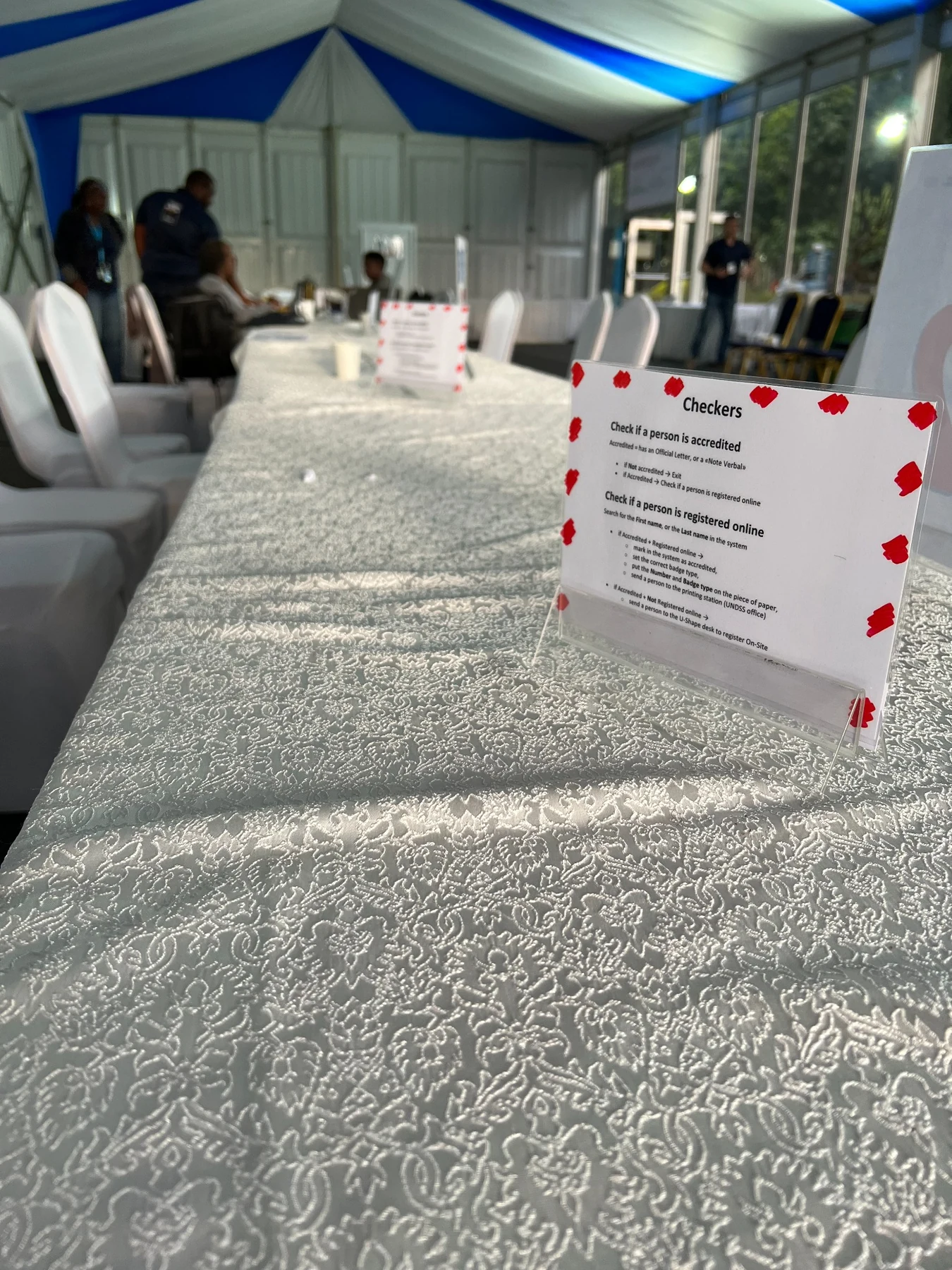
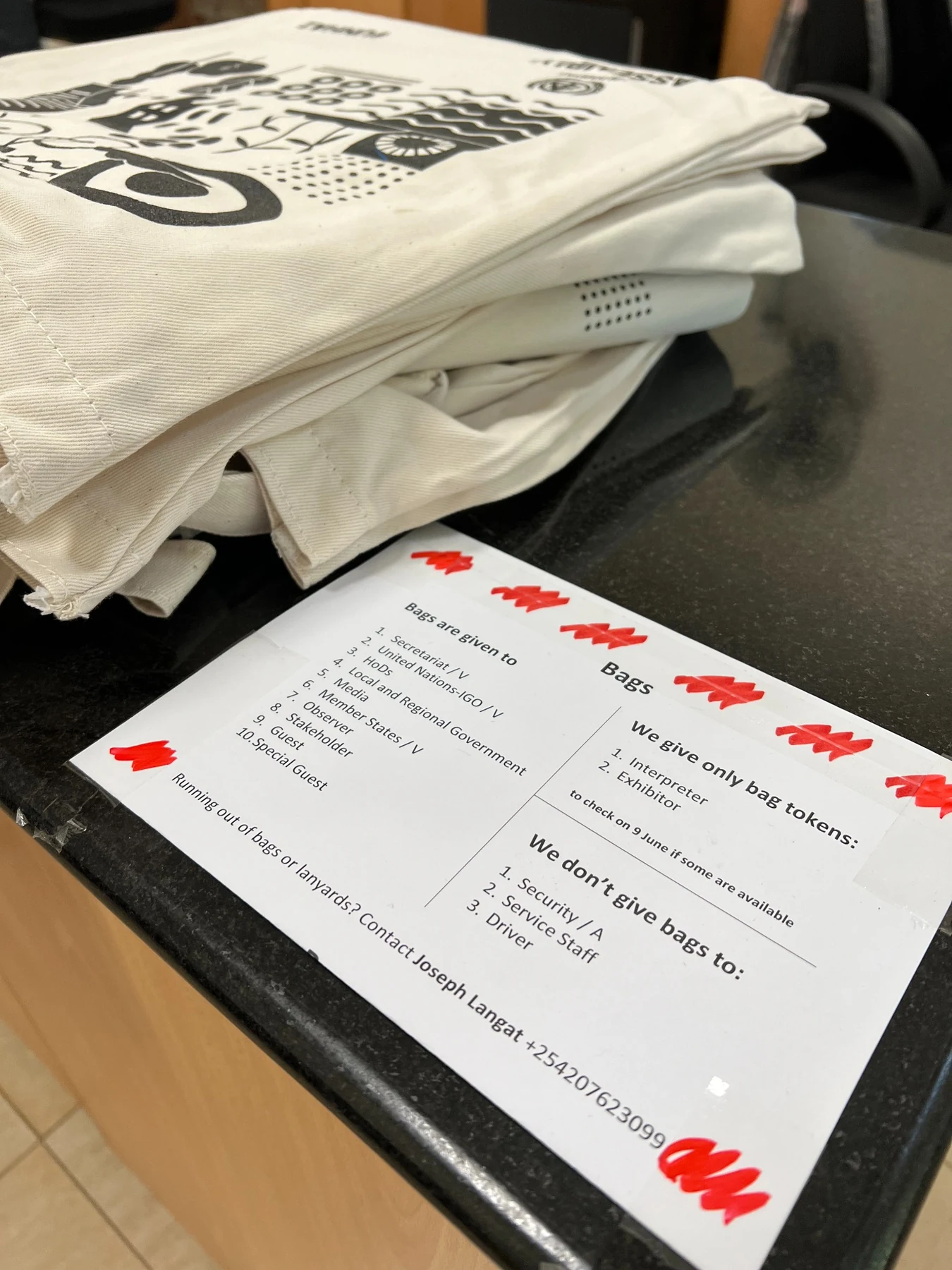
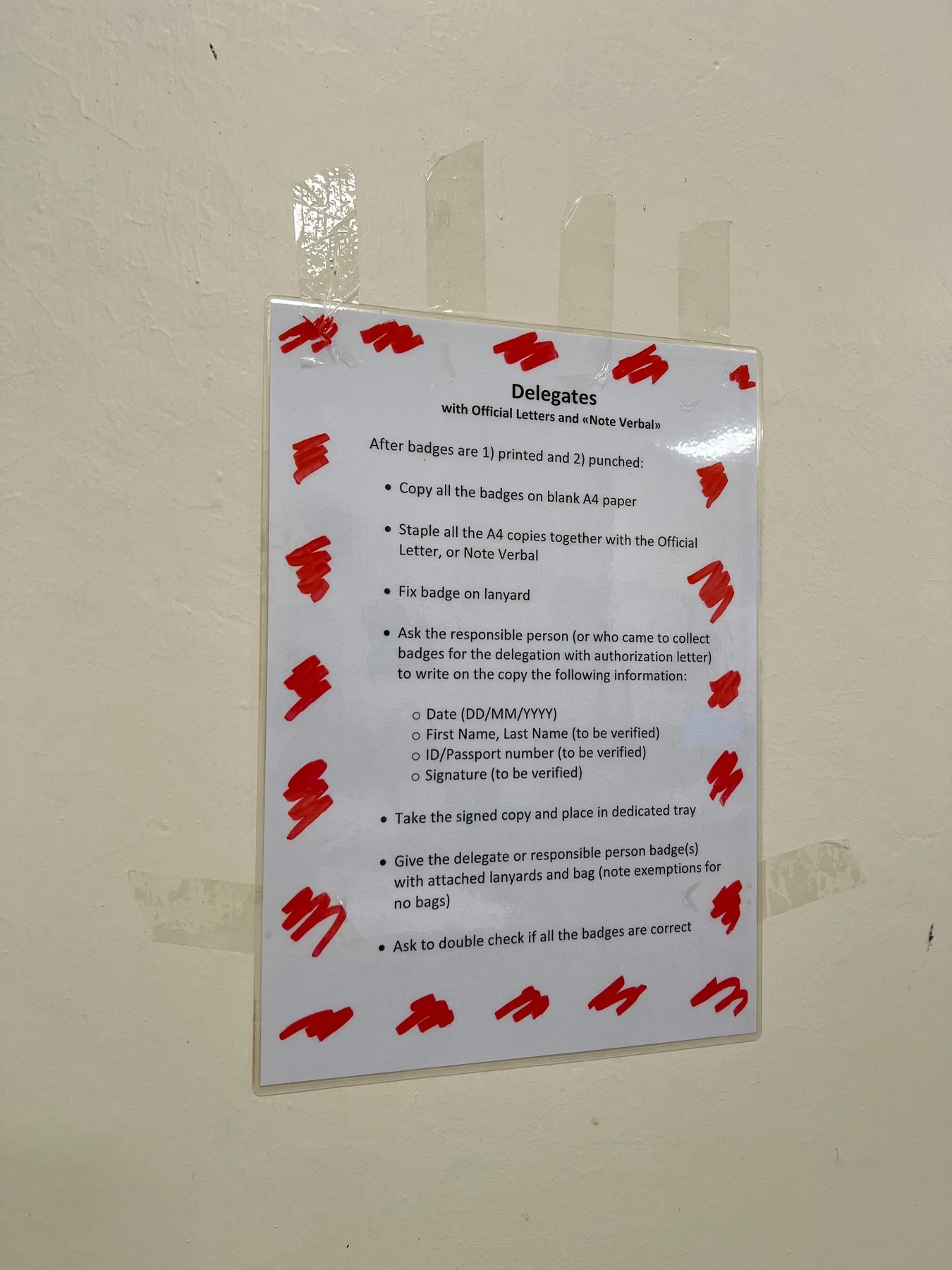
People joining the registration team needed to understand the process quickly.
I converted parts of the operating flow into simple step-by-step instructions that could sit at the desks. The goal was consistency: the person operating a station did not need to understand the full GEMS architecture to complete the task correctly.
A product inside the operation
The system could now be shown where it was actually going to be used.
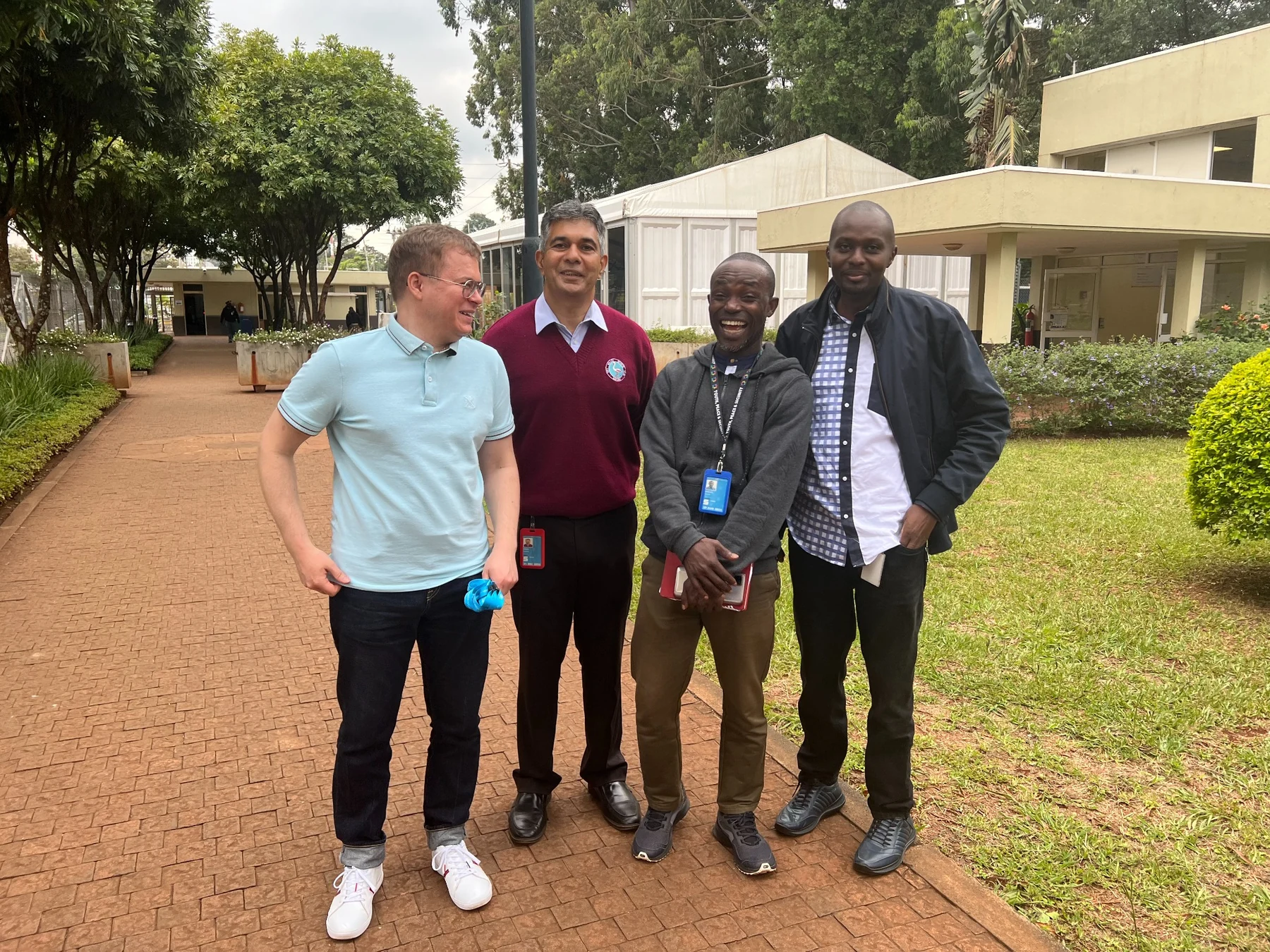
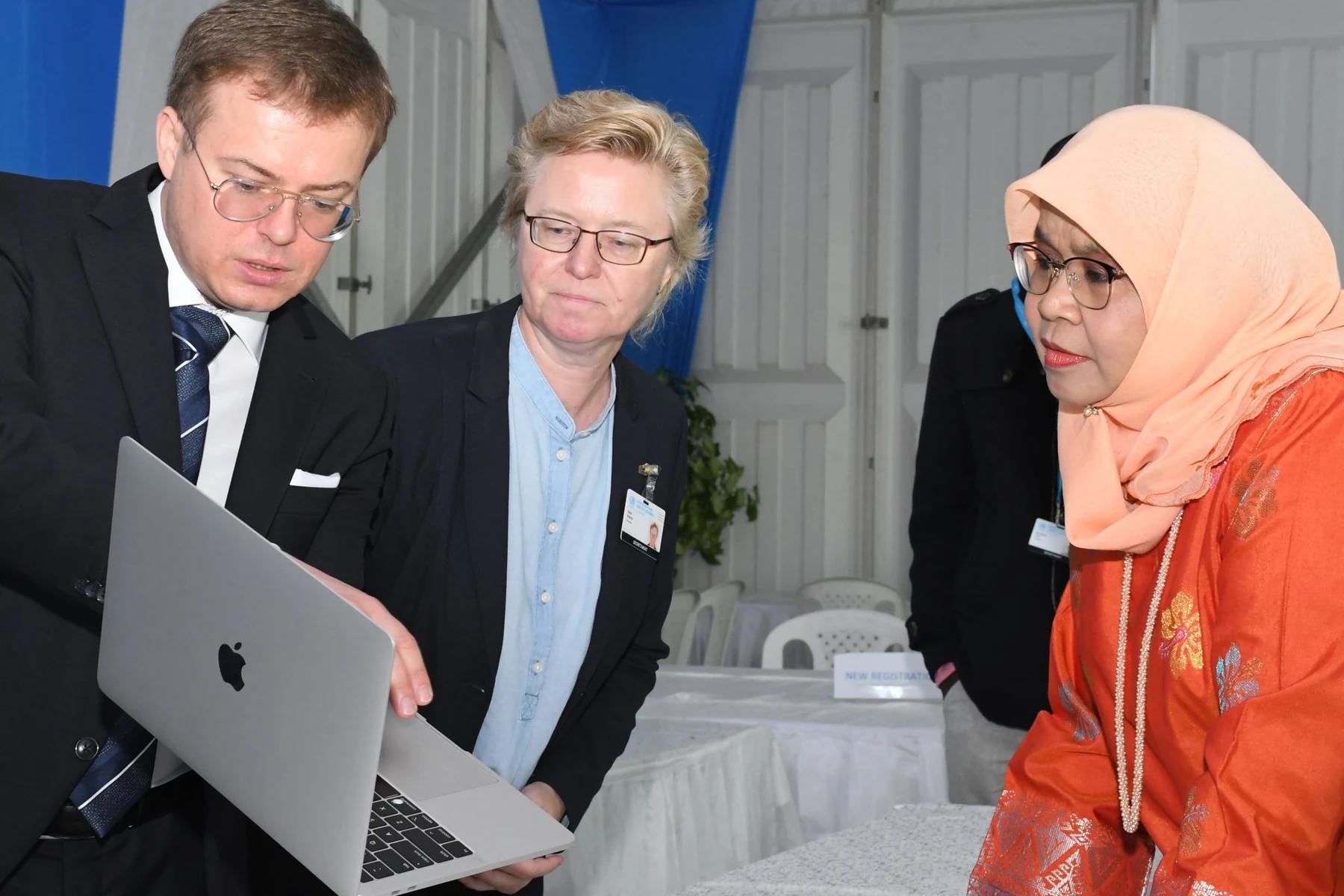
During preparations, Silvia Ragoss and I showed GEMS Alpha to UN-Habitat Executive Director Maimunah Mohd Sharif on site. This moment belongs in both stories: in the GEMS case it marks product progress; here it marks the point where a digital concept had become part of a visible event-delivery operation.
See the GEMS product story →Before and during opening
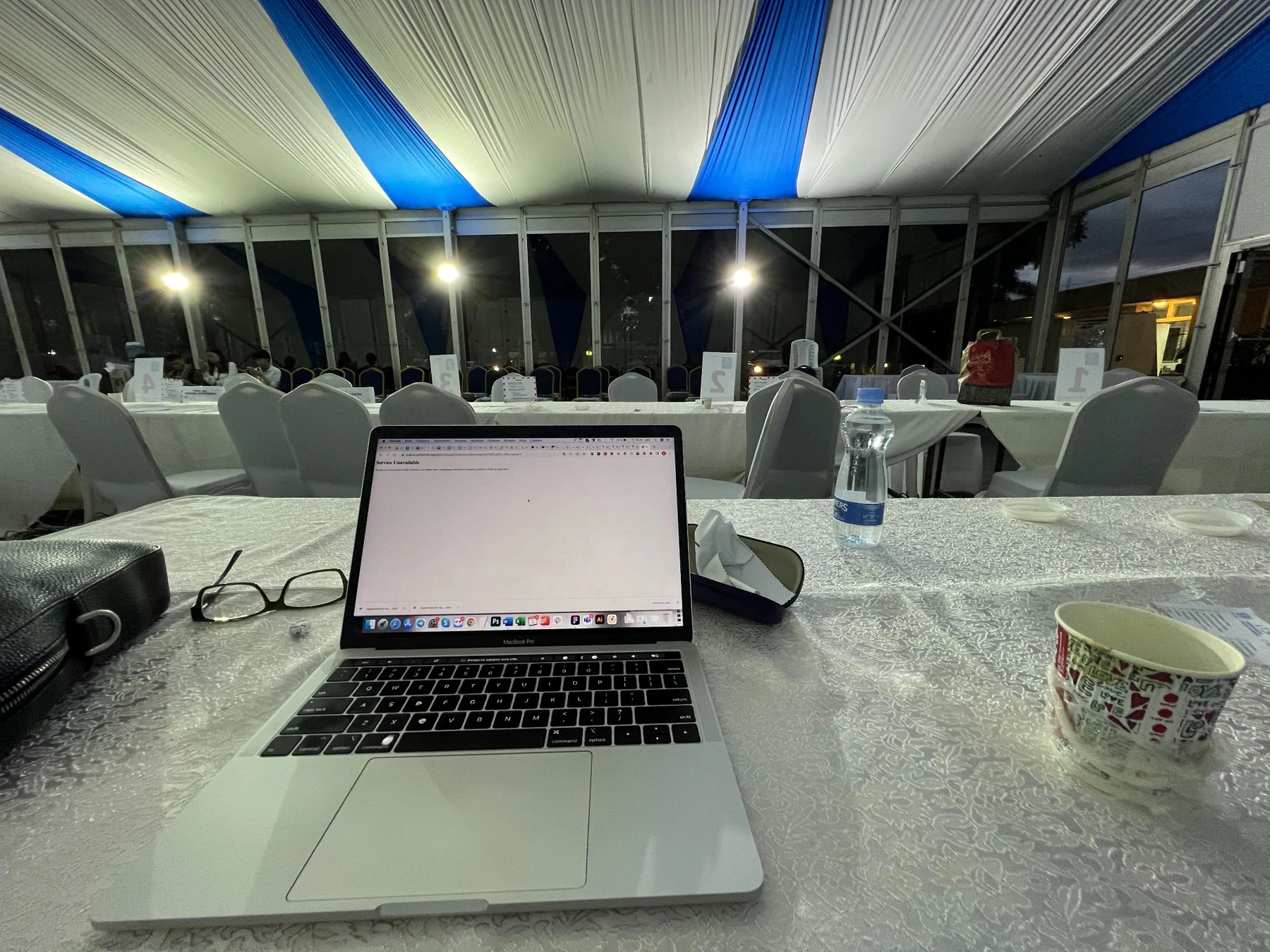
The first real users changed the nature of the work.
Delegations began arriving before the formal opening to register and collect credentials. From that point, problems were no longer hypothetical. Search, accreditation, photos, badge formatting, printing and physical handover had to work as one chain while the team kept adapting around live demand.
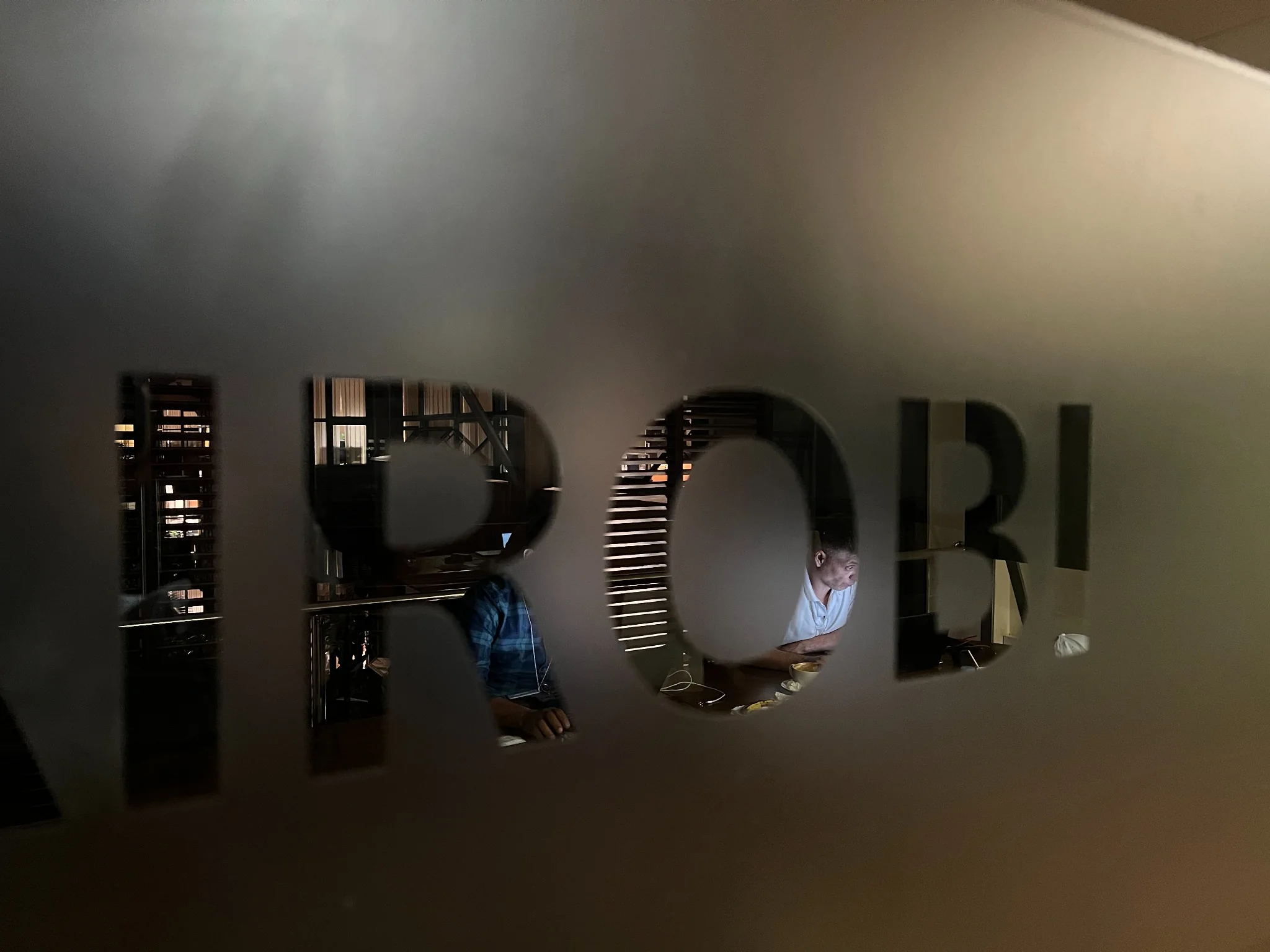
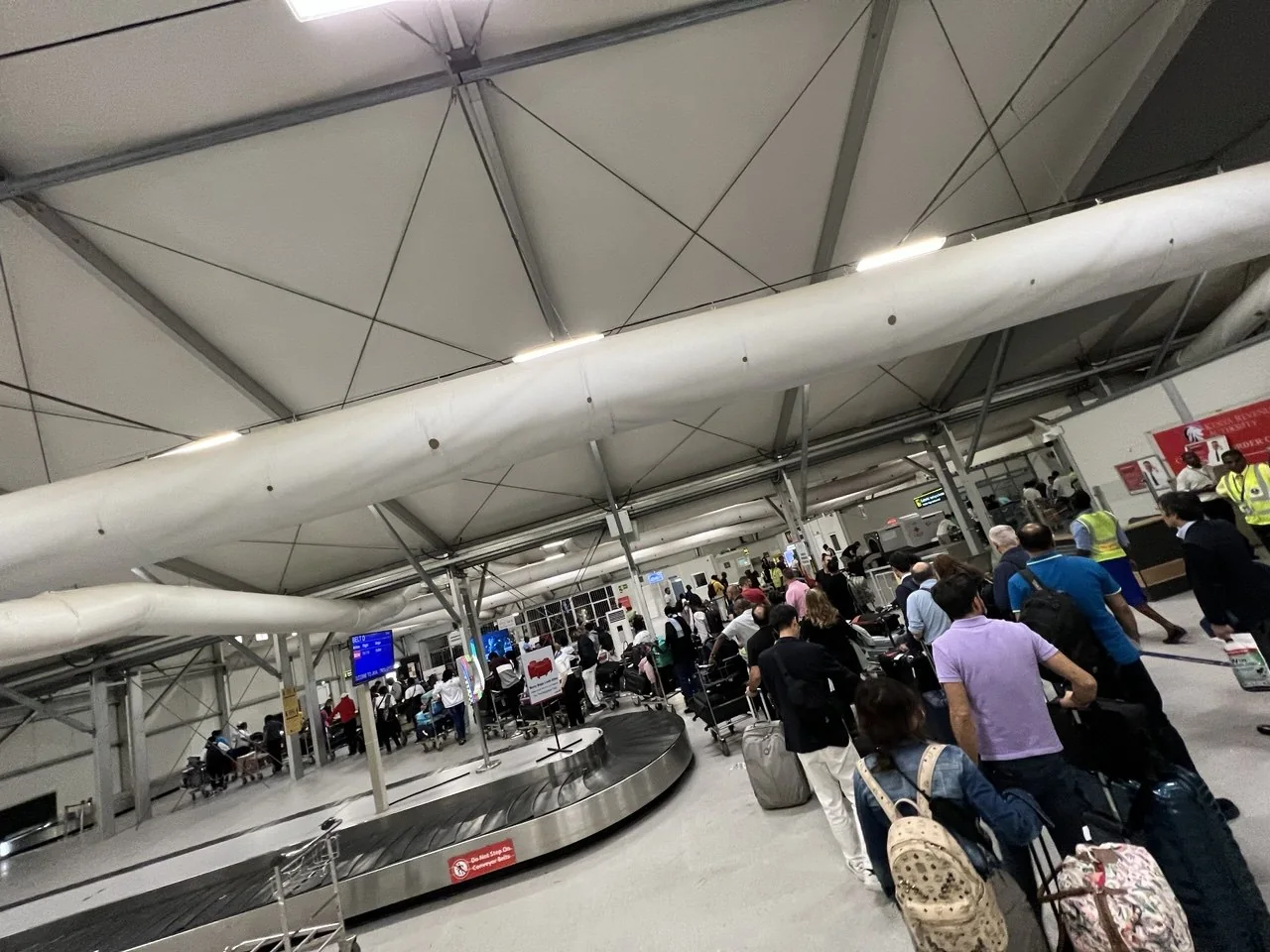
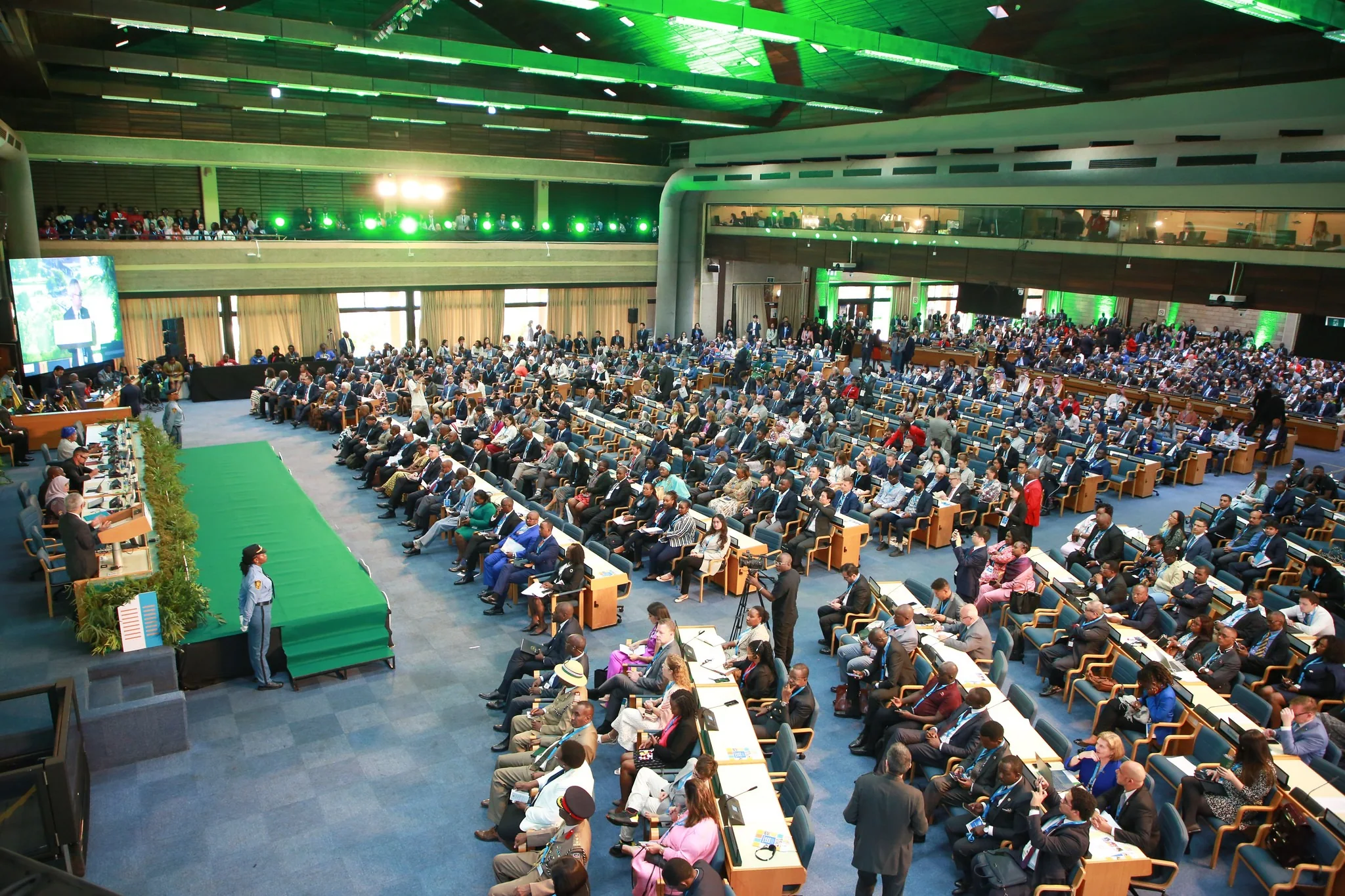
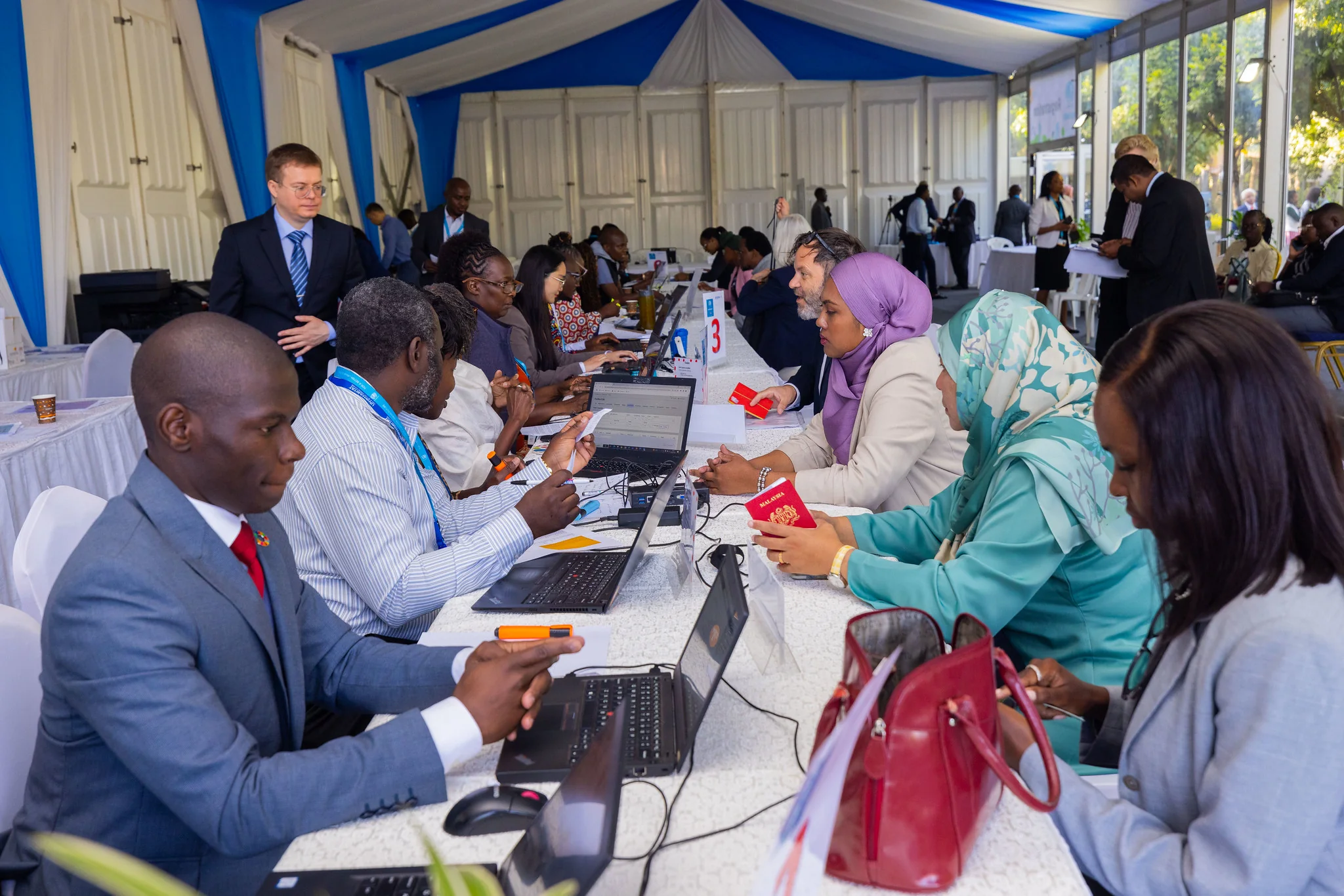
What this changed
Event delivery made the product better — and the product made event delivery more controllable.
UNHA2 exposed edge cases that a desk review could not: special characters on badges, weak photos, real queue behavior, staff hand-offs, connectivity dependencies and exceptions in accreditation. Those lessons became part of the backlog for the next iterations of GEMS.
Do not optimize a screen while ignoring the participant path before and after it.
A shared process map can be as important as another interface when multiple teams have to work together.
Printers, photos, desk layout and queue flow directly affect what the system must support.
Real users revealed the next product priorities before the Assembly formally opened.
The parallel case
This page is about delivery. GEMS is the product story.
See how the same period fits into the longer evolution from the 2023 concept to GEMS Alpha and the later platform versions.
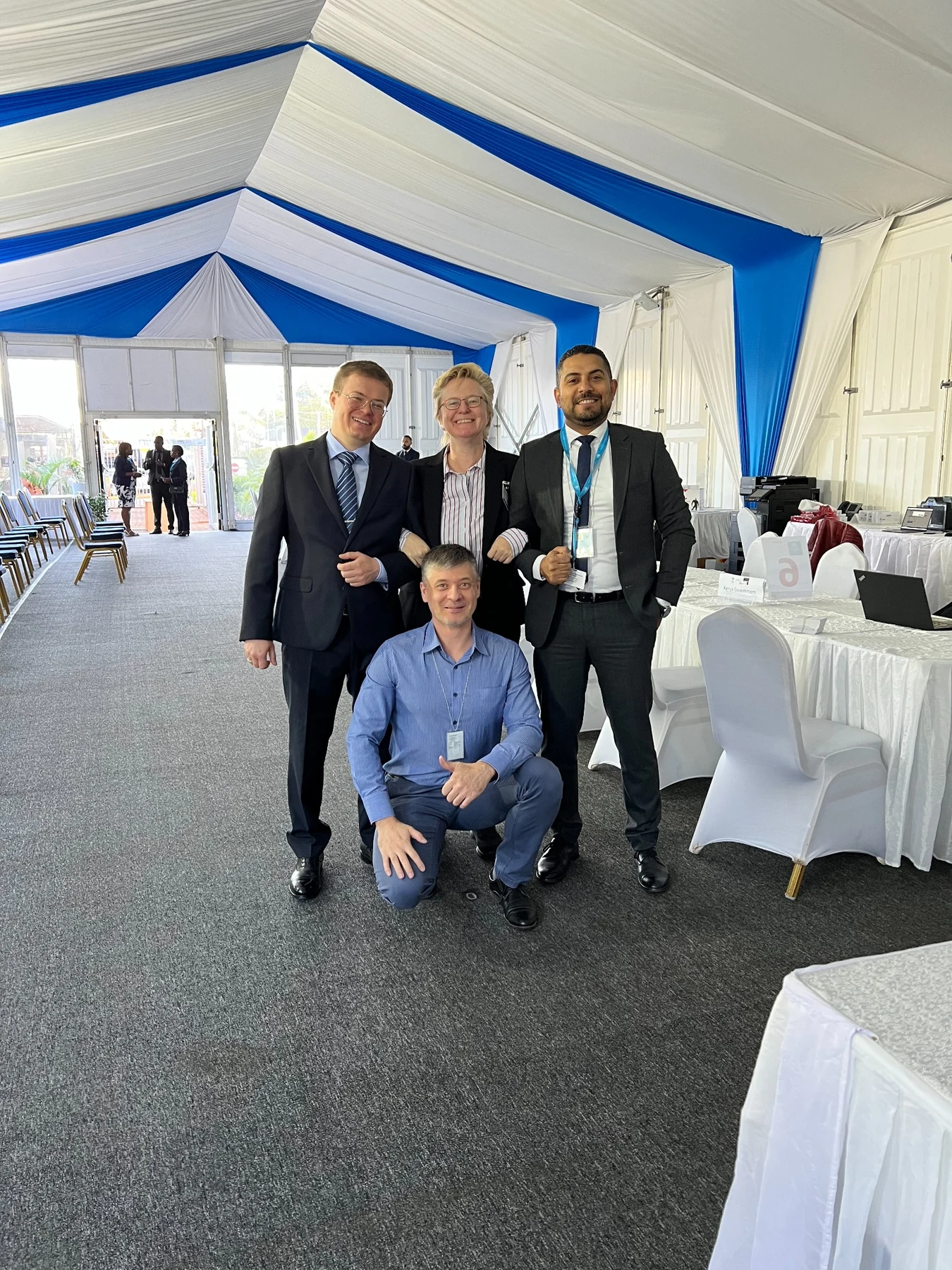
Delivery
A small team, a fixed date and no separation between product thinking and operations.
The useful part of this case is not that everything went according to plan. It is that the operating model became clearer while the product, the venue and the team were all still changing.
Start a conversation
Running an event where the digital and physical layers have to work together?
Tell me what you are trying to solve. A short message is enough to start.