← Work

Flagship product case
Global Event Management System
A digital product that started as an institutional problem in 2023 — and continues to evolve through successive generations, real events and operational pressure.
Role Product lead
Context UN-Habitat
Timeline 2023–ongoing
Current GEMS 3.0 in development
Overview
One product. Multiple generations.
GEMS did not appear as a finished system. It grew through workshops, legislative events, mega-events, feedback and repeated redesign. The case is structured as a living timeline rather than a retrospective of a completed project.
2023AlphaUNHA2
2024BetaEB24 / Urban October
20241.0WUF12
20262.0WUF13
Now3.0In development
Next4.0Future generation
2023
Year one
The year GEMS went from idea to first live deployment — and immediately exposed the need for a deeper redesign.
2023 was not a neat product cycle. It started with discovery in Nairobi, moved into a concept deck and then jumped straight into Alpha delivery for UNHA2 under severe time pressure. By the end of the year, the lesson was clear: the first version had proved the concept, but the real product still had to be rebuilt properly.
March · concept and namingMay–June · GEMS Alpha at UNHA2July–December · redesign from scratch
Act I · March
From operational pain to product vision.
Before there was an interface, there was a workshop in Nairobi, a shared problem, a name and a first concept deck.
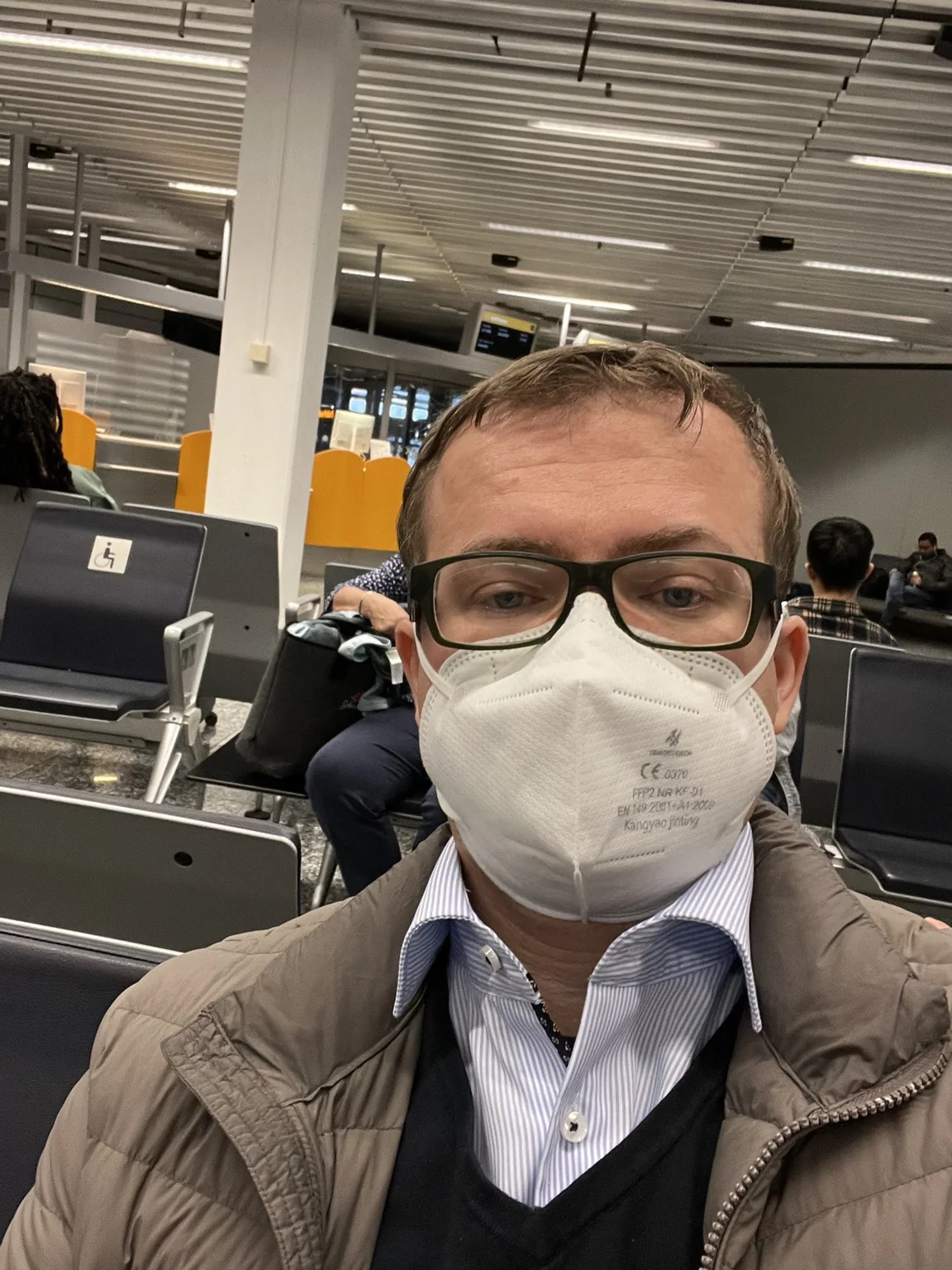
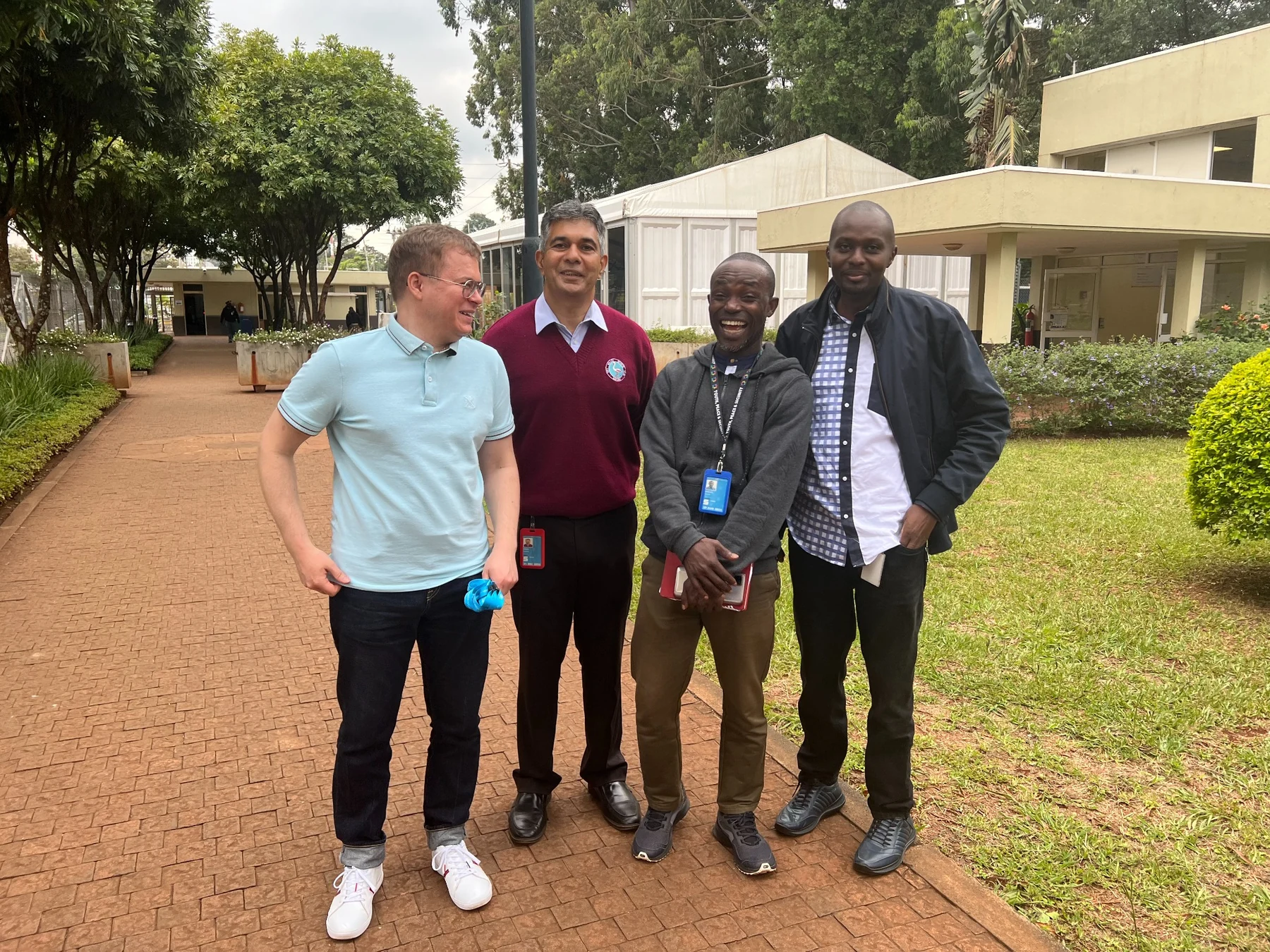
Post-WUF11 workshop · Nairobi
My first visit to UN-Habitat headquarters.
The starting point was not a software specification. It was dissatisfaction with a long-running, externally delivered event-management model — and a growing conviction that UN-Habitat needed more institutional ownership, more flexibility and a stronger digital foundation for major events.
18–28 March 2023Post-WUF11 workshop · UNON, Nairobi
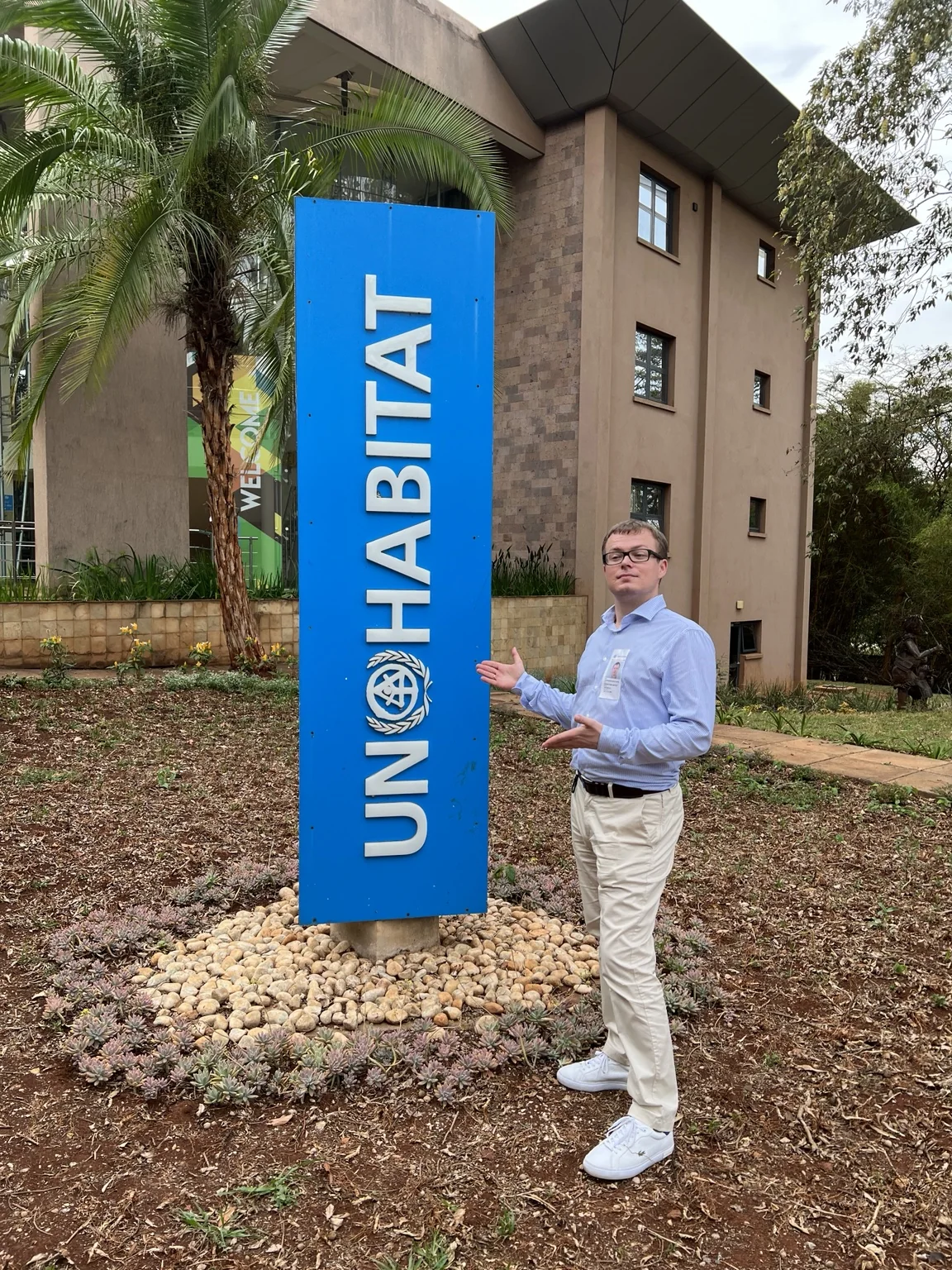
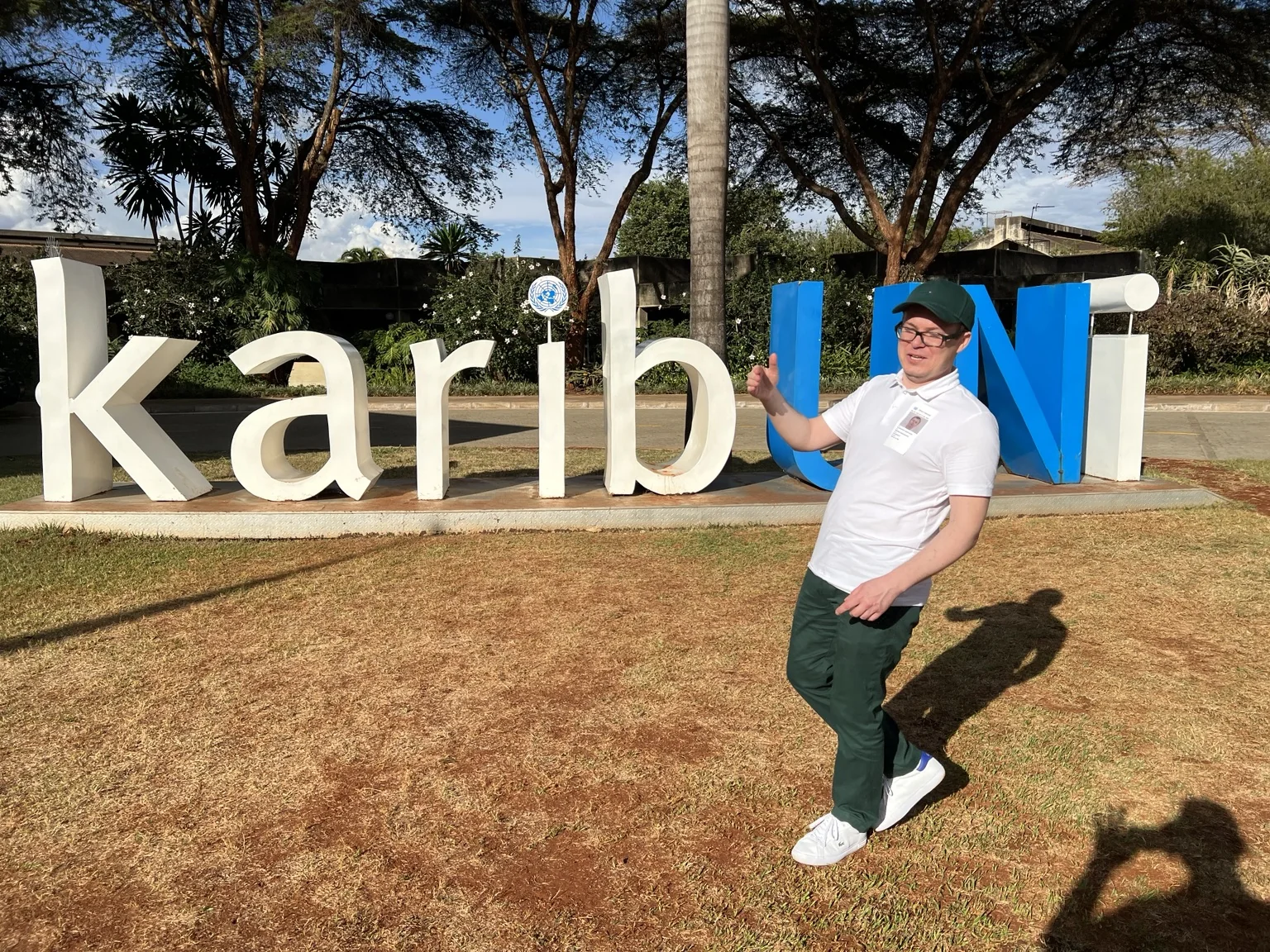
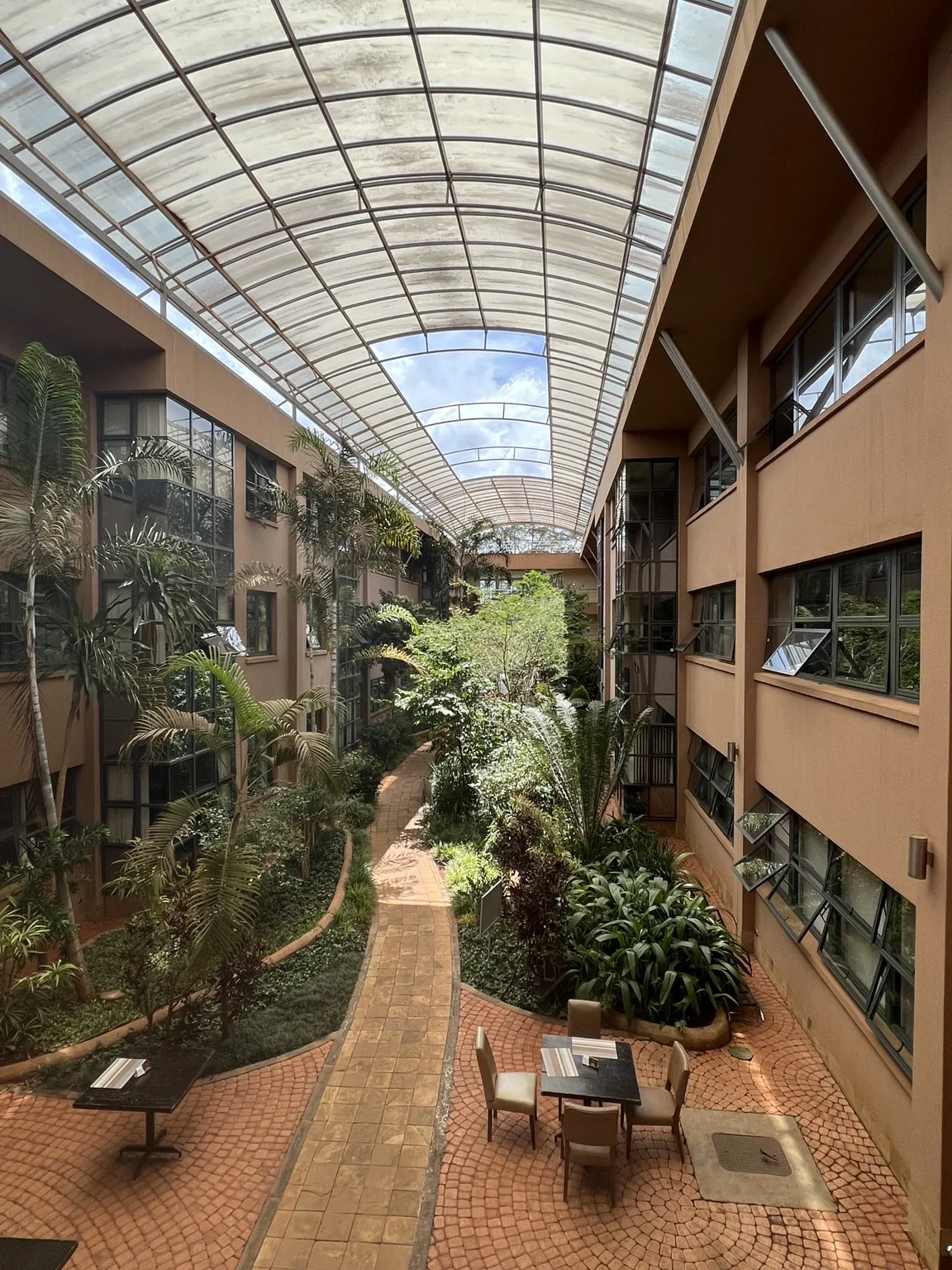
UN-Habitat headquarters
Early conversations about what GEMS should become happened in meeting rooms, corridors and between formal workshop sessions.
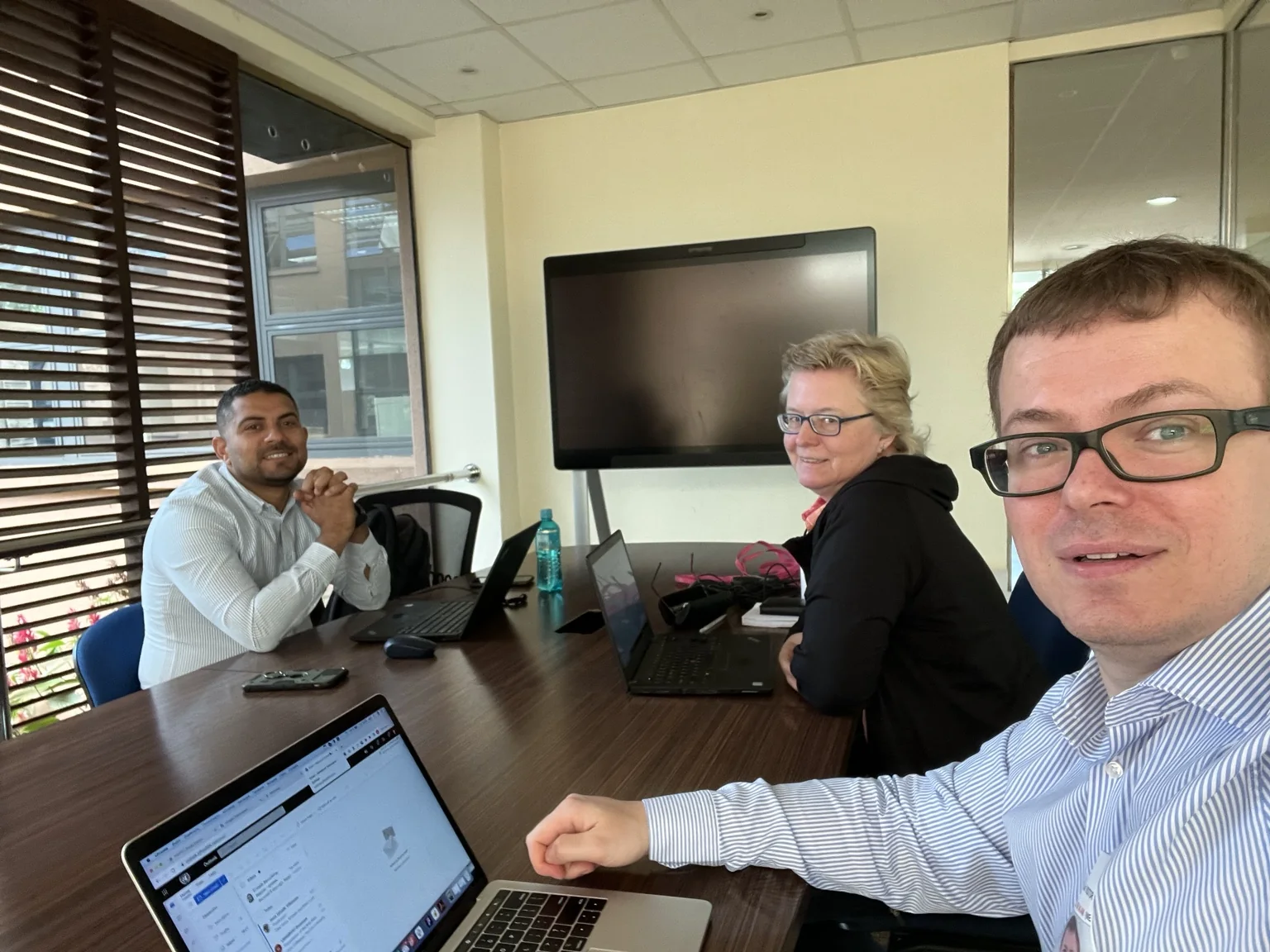
The core group
Three people pushing for a different model.
Silvia Ragoss, Ahmed Zenari and I became the core drivers of what would become GEMS. We came to the problem from different operational perspectives, but shared the same conclusion: mega-events needed a much stronger digital foundation.
This was still product discovery in its most literal form — discussion, notes, operational pain points and decisions about what should exist next.
Naming the system
A name before an interface.
I proposed Global Event Management System during the workshop. The acronym was simple, memorable and flexible enough to grow with the product.
The name stayed.
Early wordmark · 2023Vision before interface
At this stage, there was no interface.
GEMS existed as workshop discussions, notes in a text document, a name and an emerging product architecture. The first formal artifact was a concept presentation dated 24 March 2023.
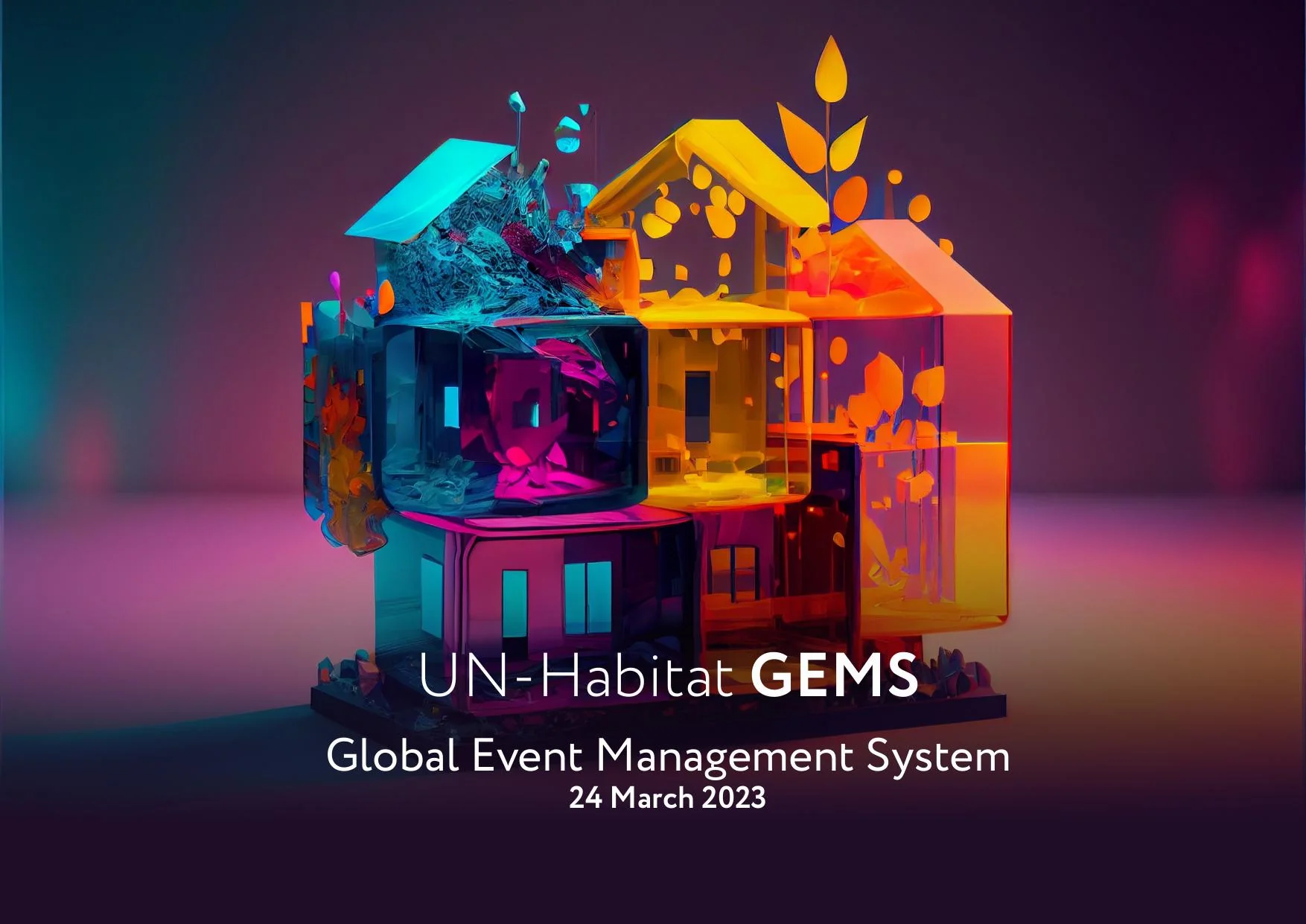
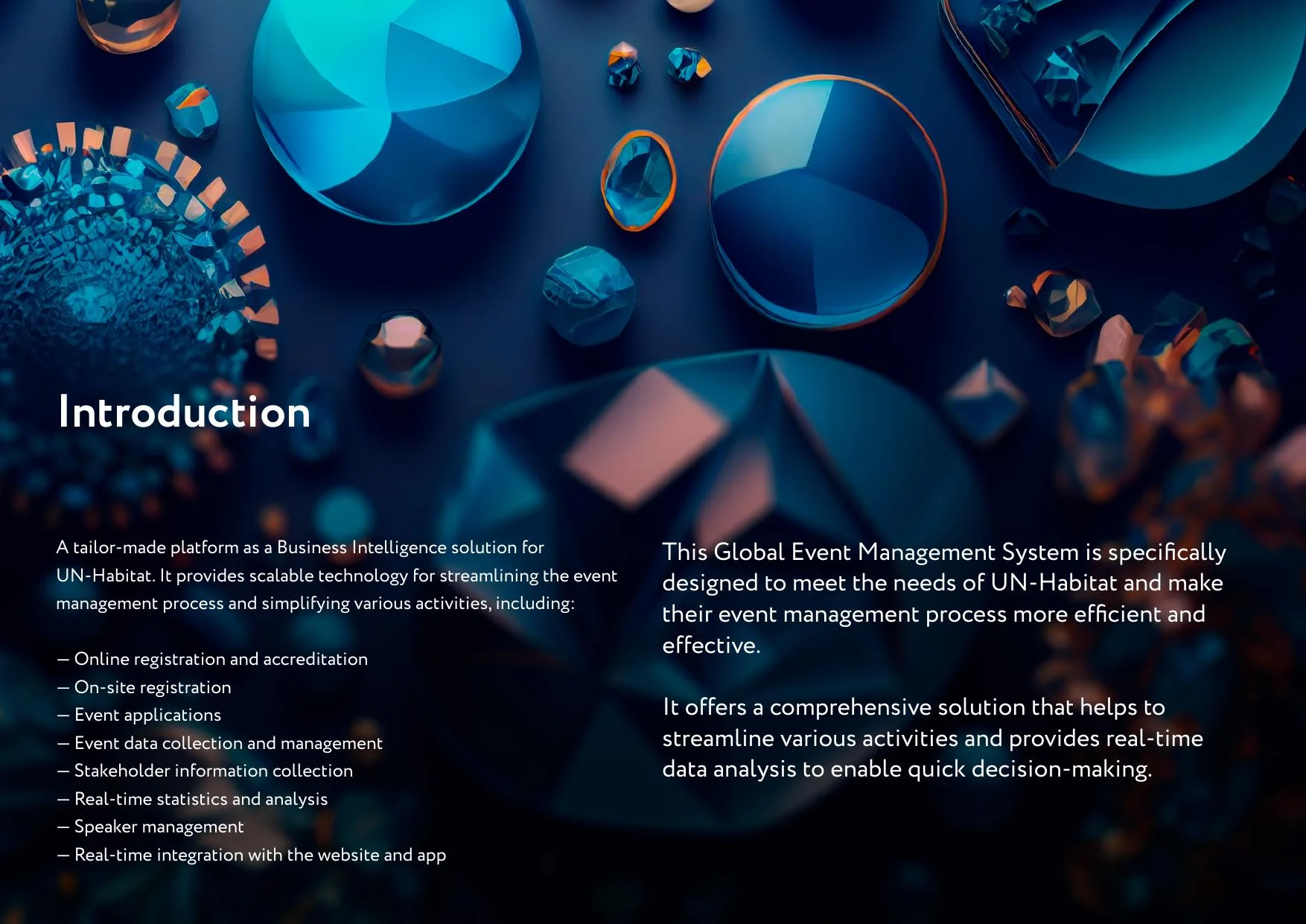
FIRST FORMAL PRODUCT VISION
Not just registration.
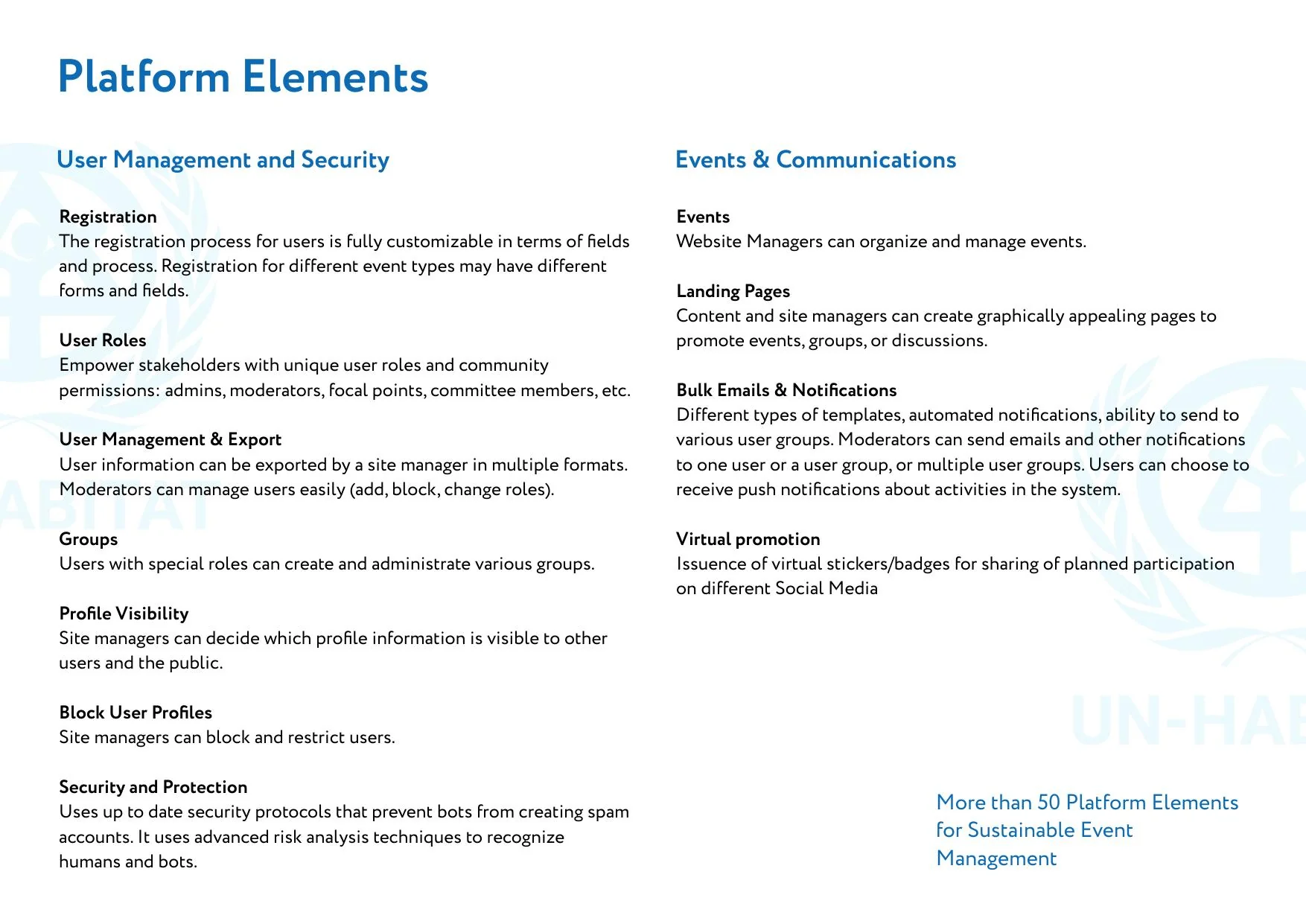
The concept already linked online and on-site registration, event applications, stakeholder information, speakers, analytics and integration with the website and app.
Original product architecture
The scope was ambitious from day one.
The March 2023 concept mapped GEMS as an integrated environment rather than a single registration form. The first deck described more than 50 platform elements and mapped more than 200 potential features.
GEMS2023 vision
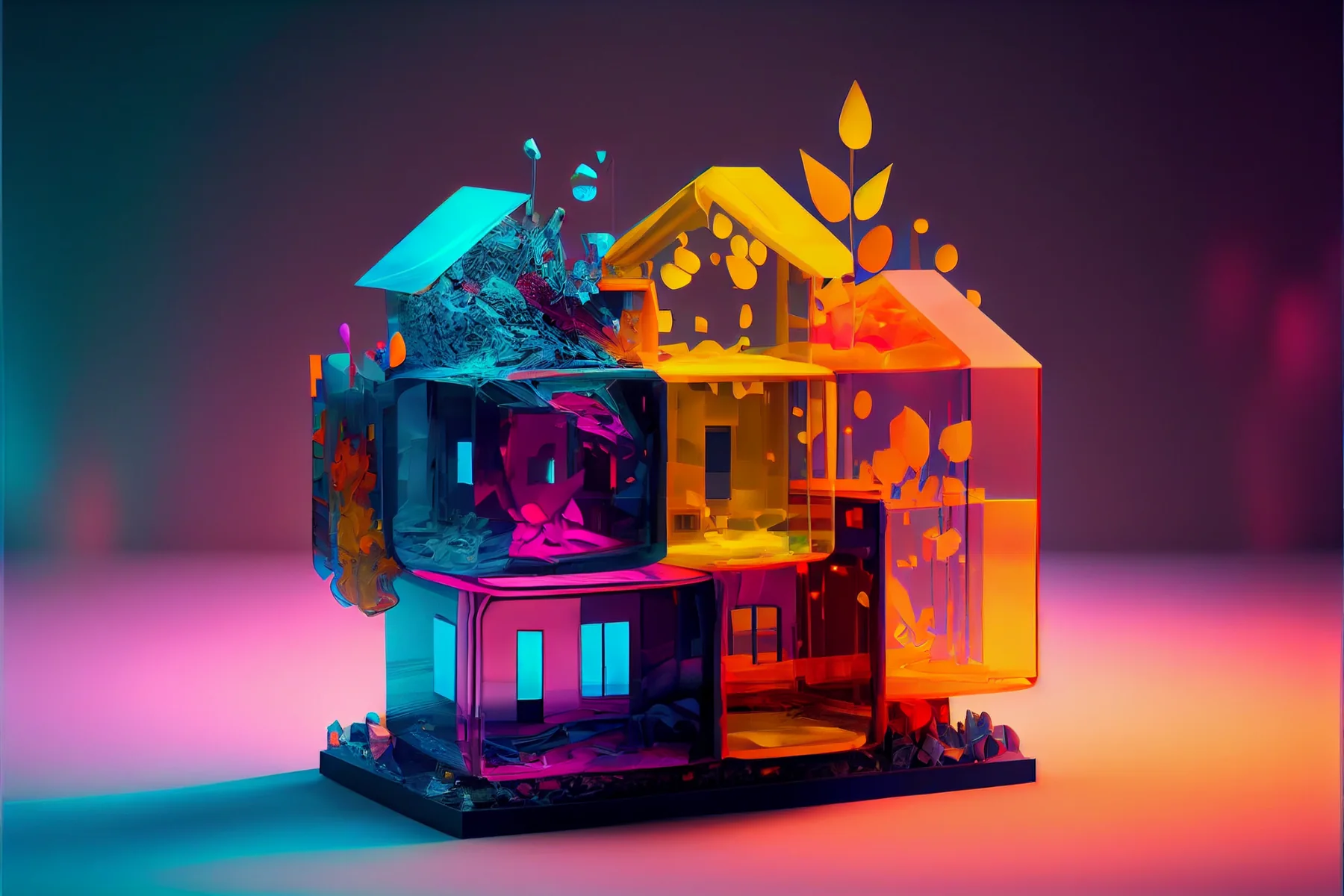
Giving the idea a visual language
Before GEMS had a UI, it already had a visual world.
I used AI-generated concept imagery built around colourful glass-like urban structures, modular forms and vegetation. The imagery helped make an abstract digital platform feel tangible and memorable before a working product existed.
In retrospect, the modular architecture also fits the way GEMS itself was taking shape: many different workflows becoming one connected system.



Beyond the meeting room
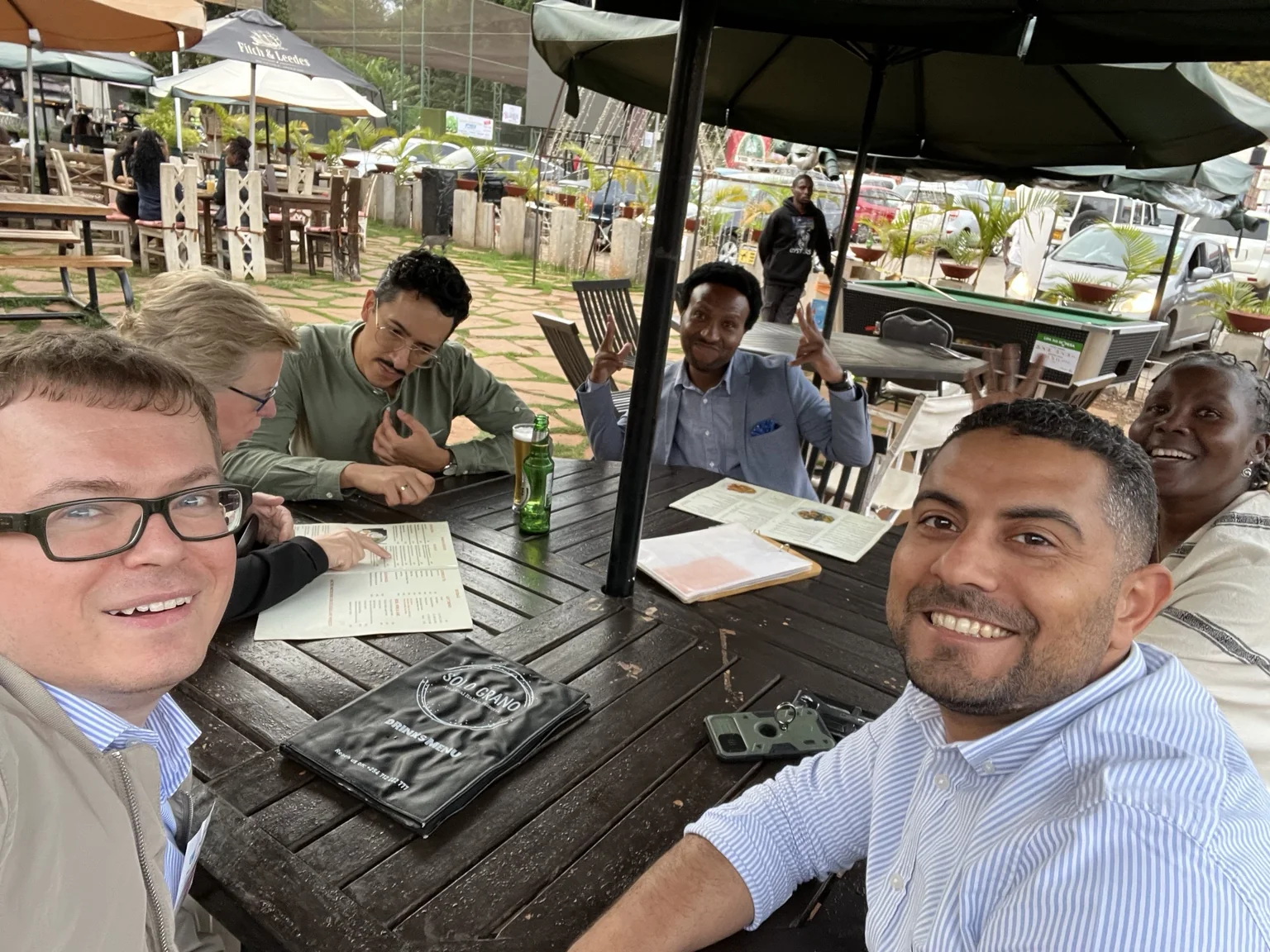
The conversations continued over pizza.
Not every important product conversation happened in a formal workshop session. The wider group included people directly involved in WUF delivery and coordination, including Silvia Ragoss, Ahmed Zenari, WUF12 Coordinator Jesús Salcedo Villanueva, Dennis Mwamati and Flora Uzelle.
Before publication, names and roles shown in historical captions will be checked against the exact positions held at the time.
The ambition was already open-ended
“A foundation stone for further development of digital products.”
The first concept deck explicitly framed GEMS as a dynamic, scalable foundation for future digital services. That matters today: the product story did not end with 1.0 or 2.0, and it is not designed to end with 3.0.
Back to Vienna
Ten days earlier there had been a problem to solve.
By the time I flew home, it had a name, an initial architecture and a first concept deck.
The next challenge was speed.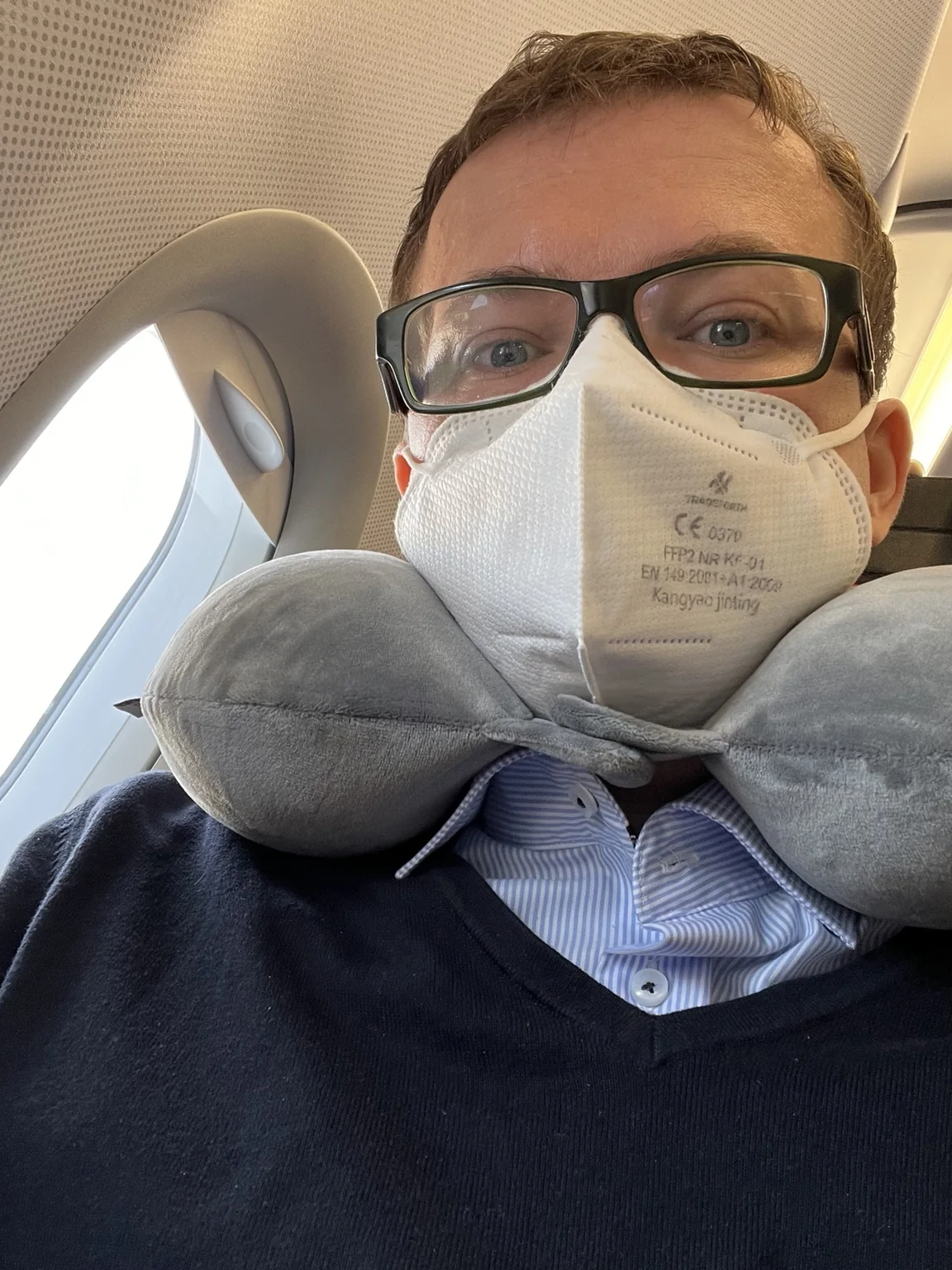
Next act · May–June 2023
UNHA2 was not a test event.
UNHA2 — the second session of the United Nations Habitat Assembly — was scheduled for 5–9 June 2023 in Nairobi. It is the highest global decision-making body on sustainable urbanization, bringing together all 193 UN Member States and key stakeholders.
Who was coming — and why
Member State delegations, ministers, ambassadors, heads of delegation and senior officials were expected alongside UN entities and accredited stakeholders. They were coming to deliver national positions, negotiate outcomes and adopt decisions shaping the global urban agenda and UN-Habitat’s work.
From concept to live deployment
73 days from the first concept deck to UNHA2 opening.
The build did not end when the software was ready enough to test. On 20 May I returned to Nairobi, where preparation continued on site: coordinating the physical setup, checking connectivity and validating that the system worked in the real event environment.
*Planning figure from the project history; final public version will use the exact documented planning figure or a verified official attendance figure.
02
Act II · May–June 2023
From concept to GEMS Alpha.
No Figma phase. No polished prototype hand-off. Requirements moved directly from working notes, screenshots and conversations into development while the first real deployment date kept getting closer.
20 May · Vienna → Nairobi
Nothing was ready yet.
I returned to Nairobi more than two weeks before the Assembly opened. The software was still changing, while the venue, registration flow and physical infrastructure around it were being prepared at the same time.
Concept deck→Text requirements→Direct development→Live Alpha
No design phase between idea and build
The first interface was shaped while it was being built.
Early screens were reviewed directly, with comments and corrections feeding the next iteration. The visual layer was basic; the priority was getting the workflows to work under a fixed deadline.
Two very different users
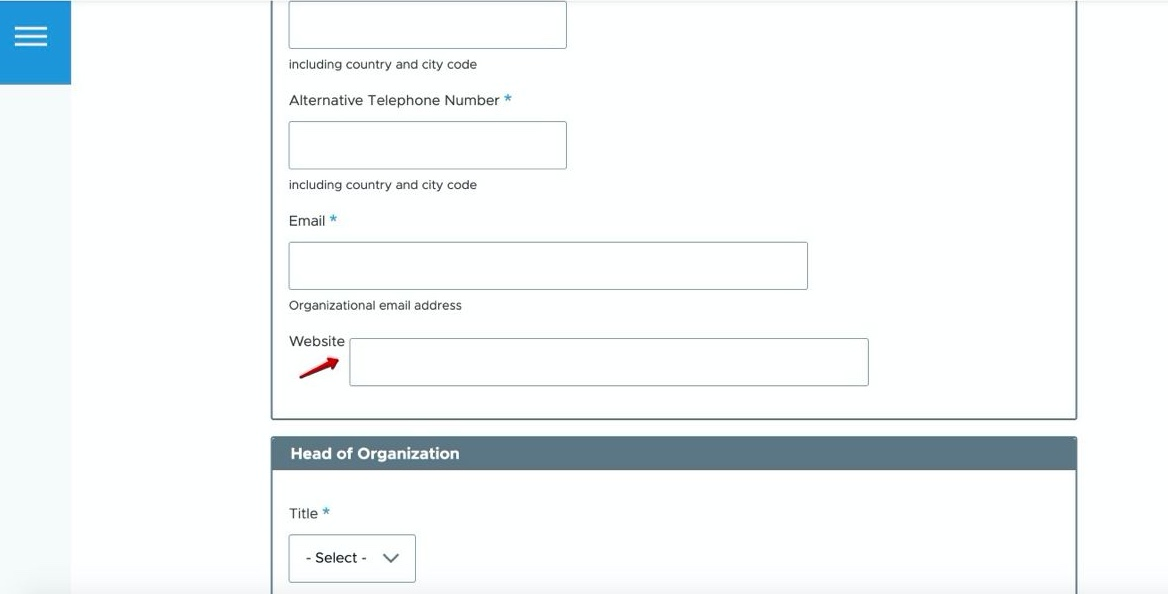
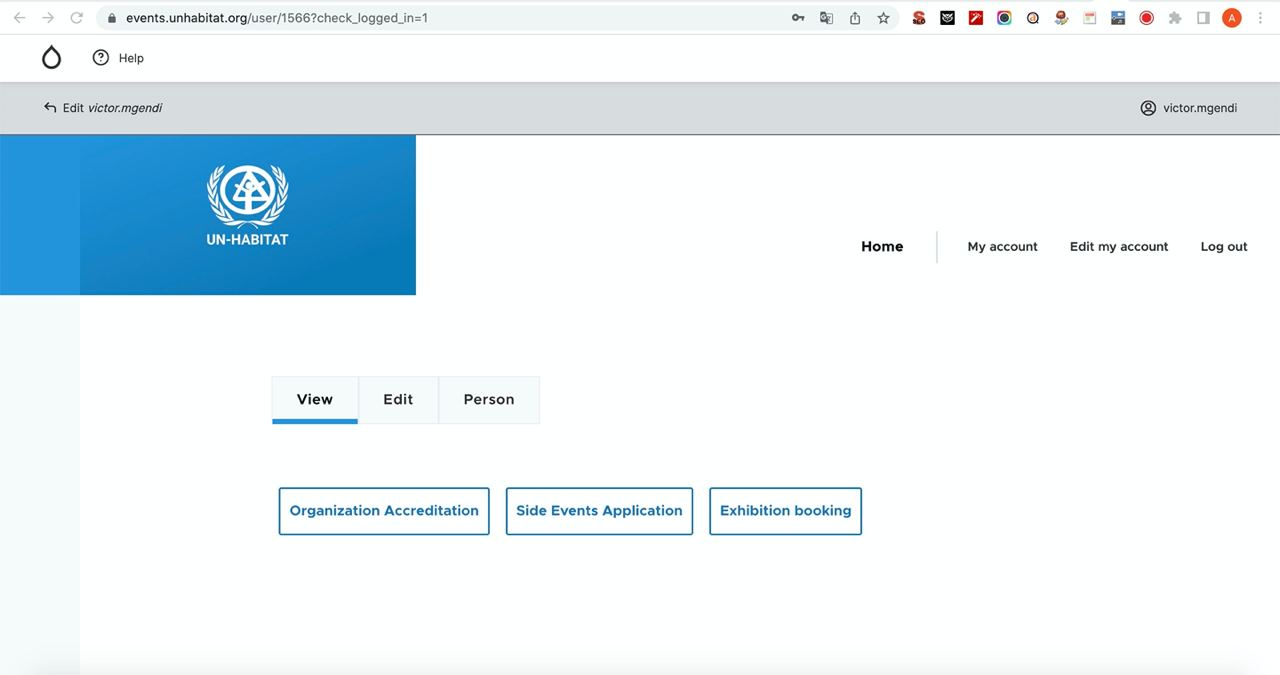
Participants needed simplicity. Operators needed control.
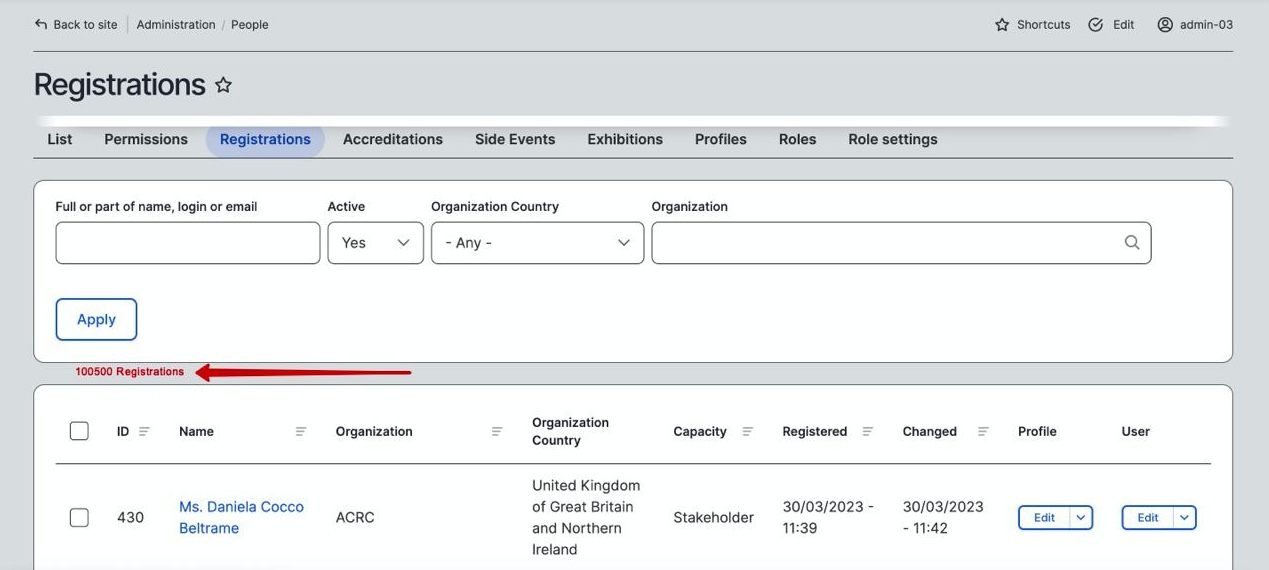
The participant side had to expose only the actions a user needed. The moderator side had to support operational work: searching profiles, accreditation checks, editing, badge preparation, filtered exports and statistics.
Search & filterInline editingBulk editingBadge checksExportsStatisticsMasquerade
Participant
Moderator
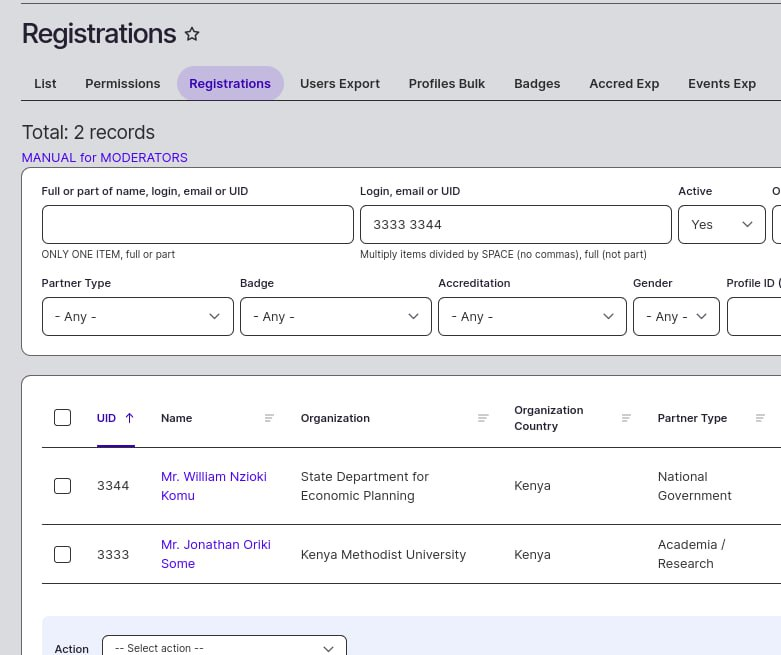
Operational support
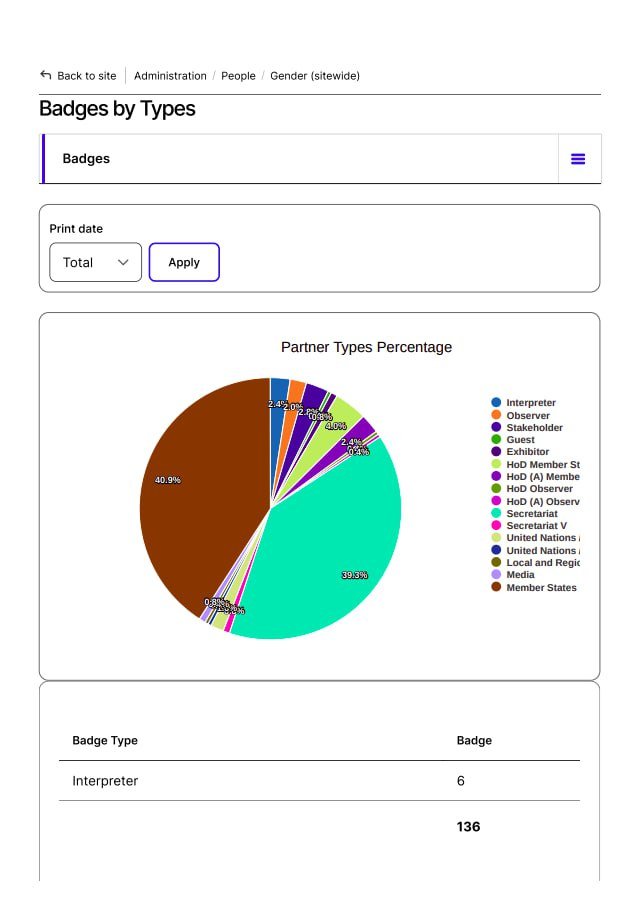
First analytics
A visible micro-story
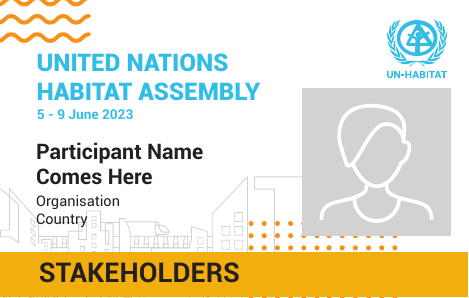
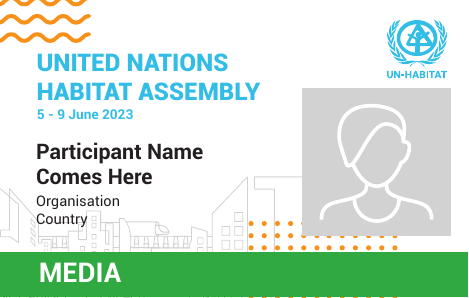
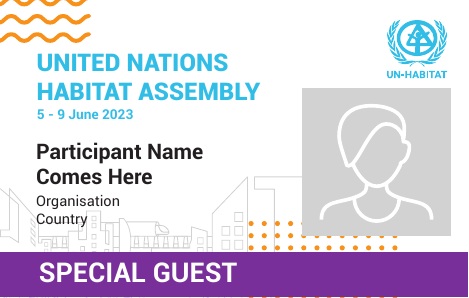
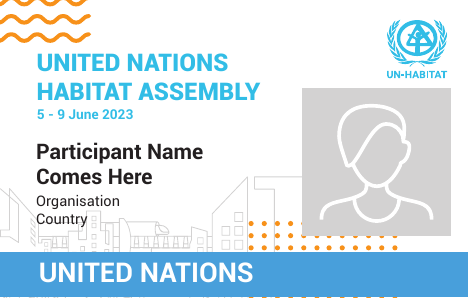
From a database record to a badge in someone’s hand.
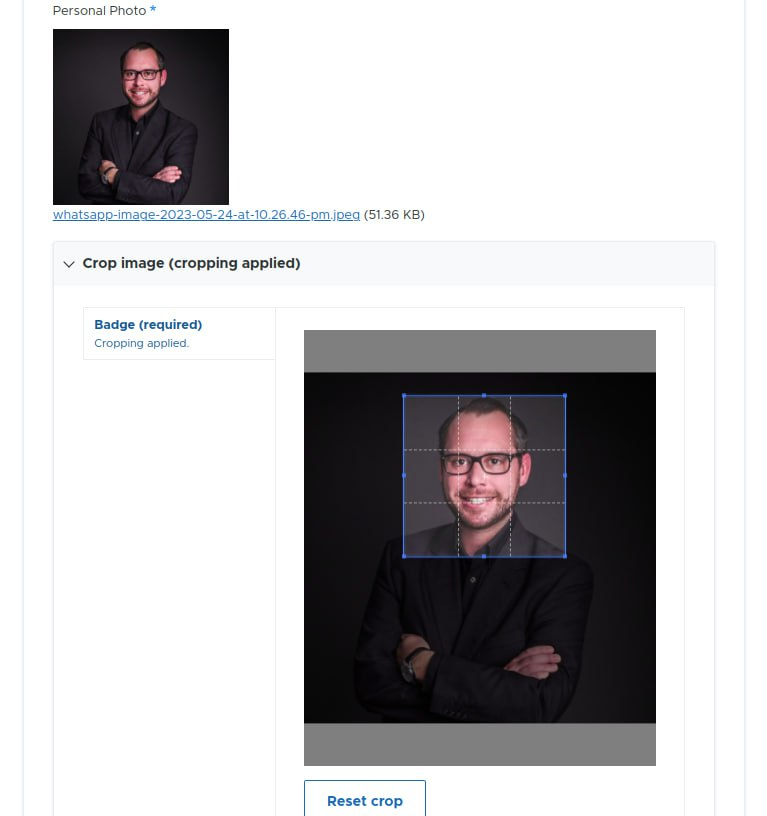
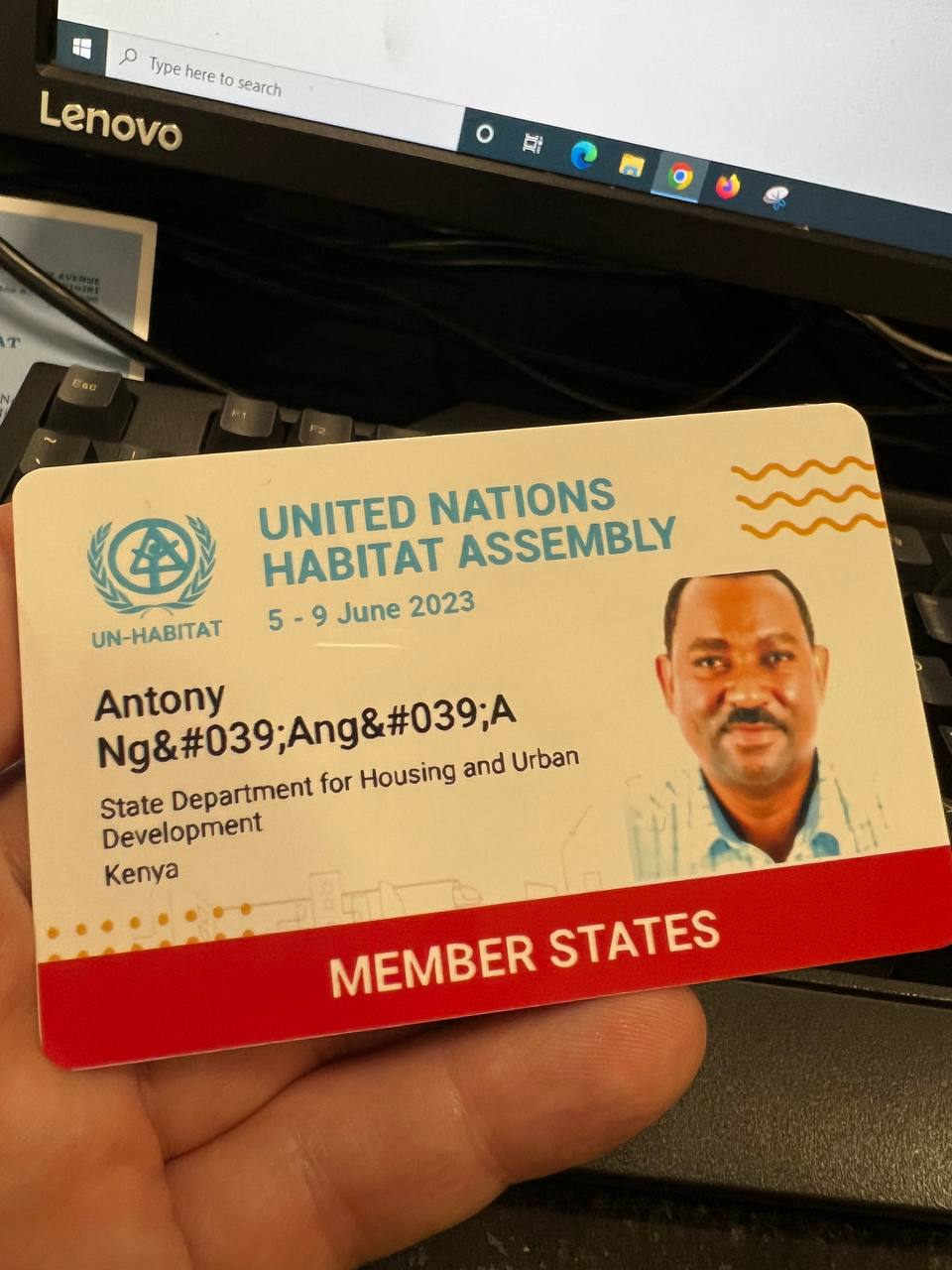
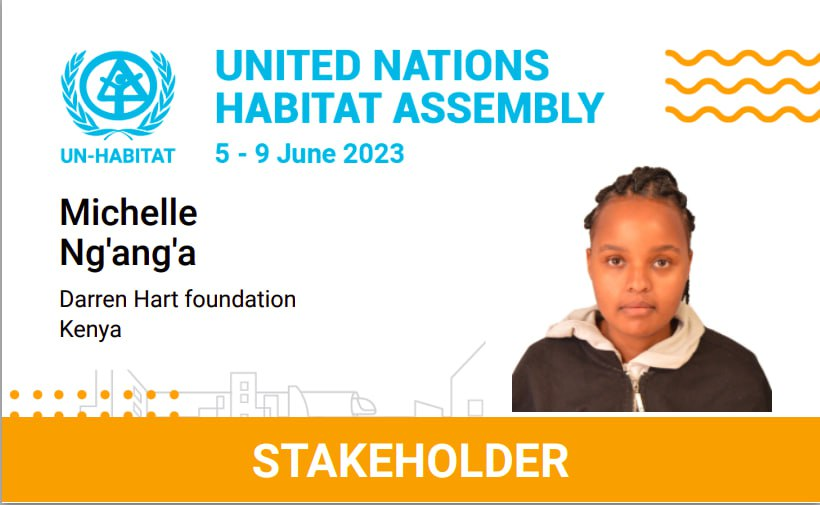
Badge generation was not the hardest engineering problem in Alpha. It was simply one of the easiest problems for everyone to see. A profile had to become a correctly cropped, correctly formatted, role-specific physical credential — often while new cases were still appearing.
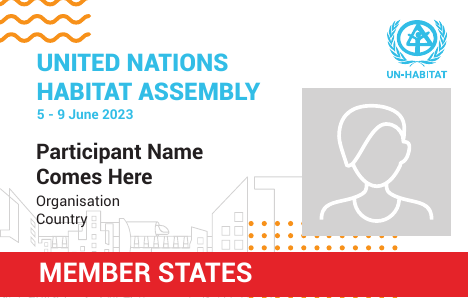
Crop
A participant photo had to be normalized for the physical badge.
Break
Names, wrapping and special characters immediately exposed edge cases.
Fix
Corrections moved straight back into the working system.
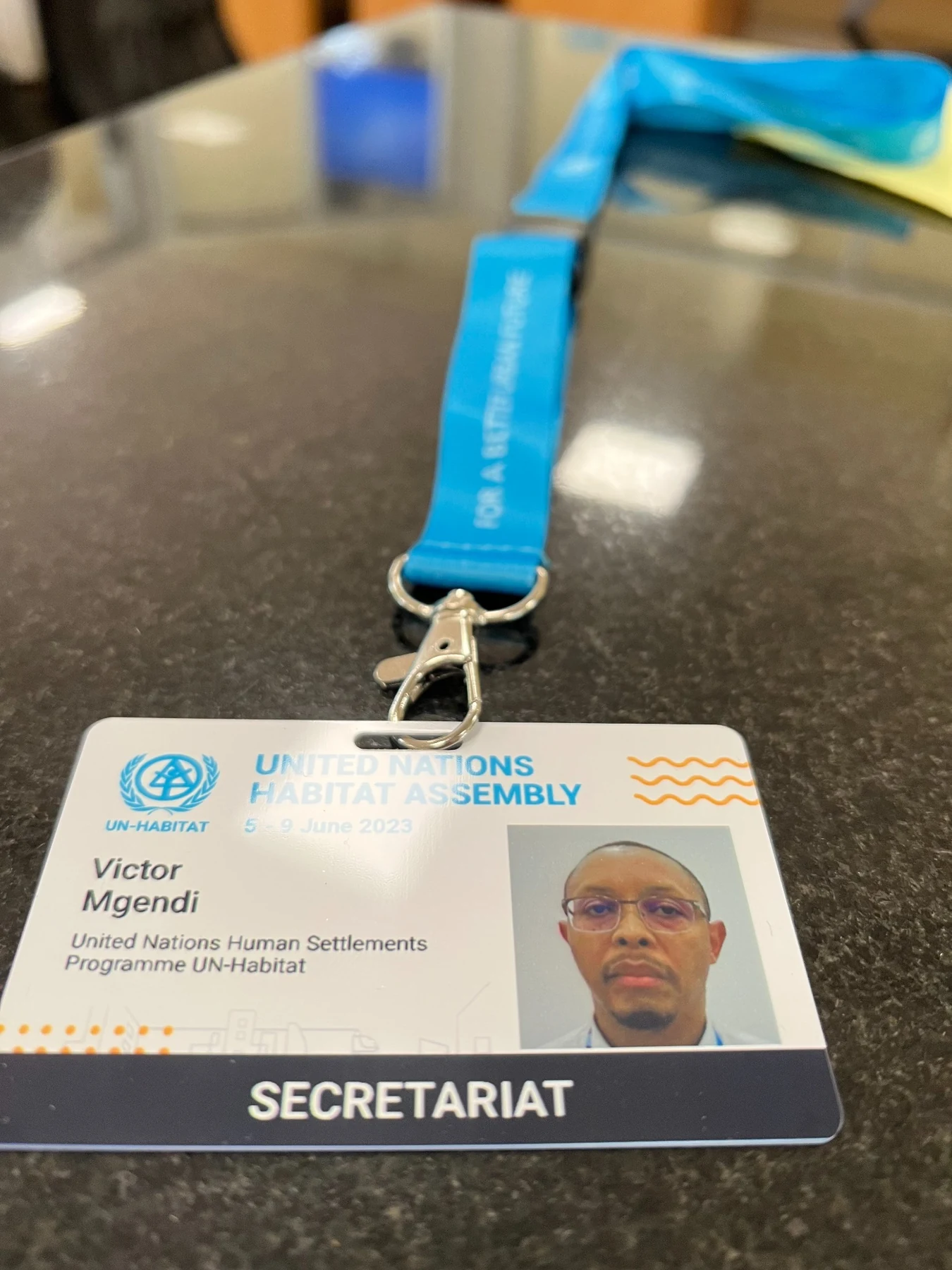
The result became a physical object used at the Assembly.
A small technical problem, but a highly visible one.
Where product meets event delivery
Alpha had to fit into a much larger operating system.
Registration desks, accreditation decisions, temporary staff, photography, printers, network access and participant queues all shaped what GEMS needed to do. That operational story deserves its own case; here, the important product lesson is that live delivery immediately became product discovery.
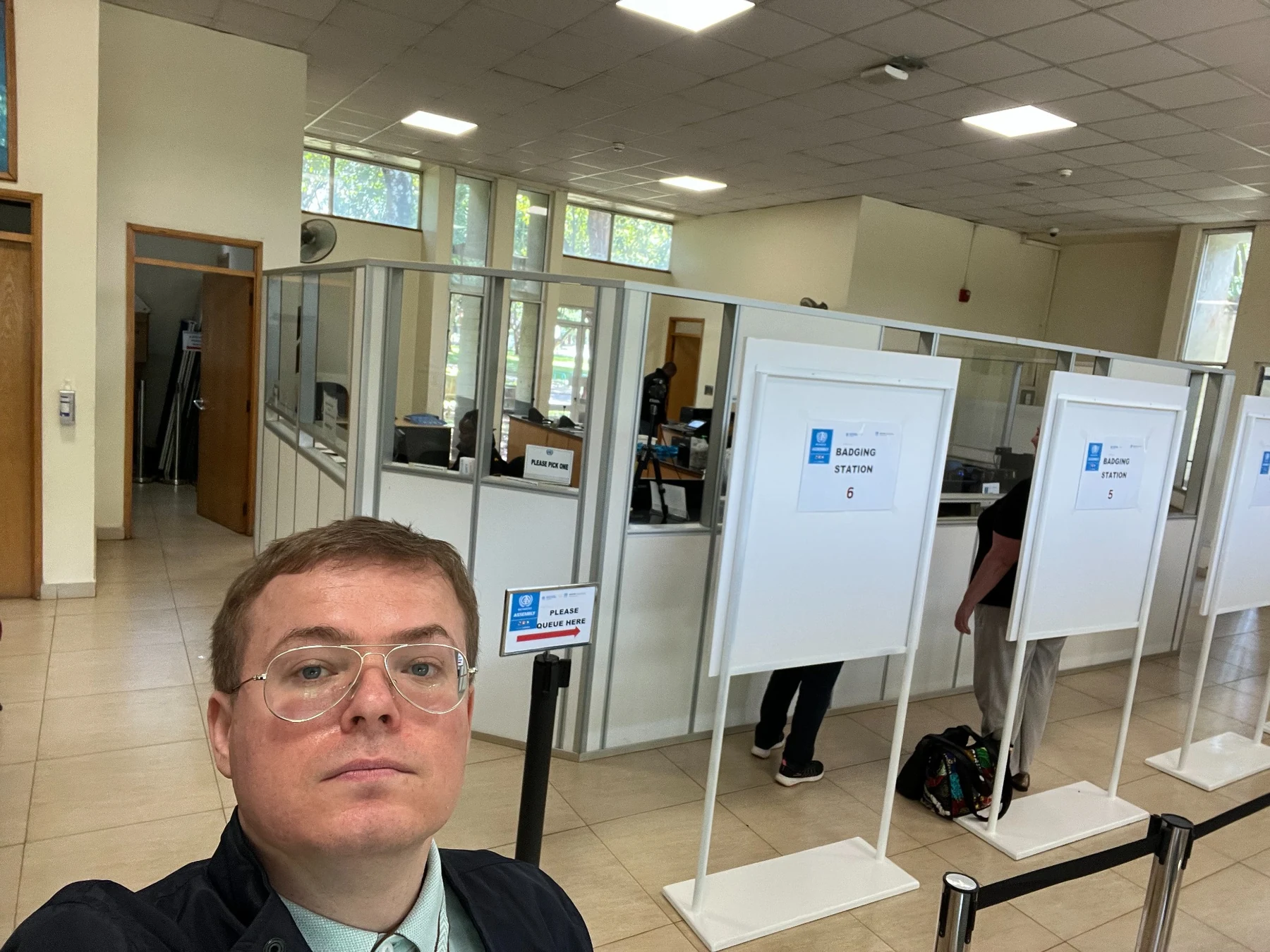
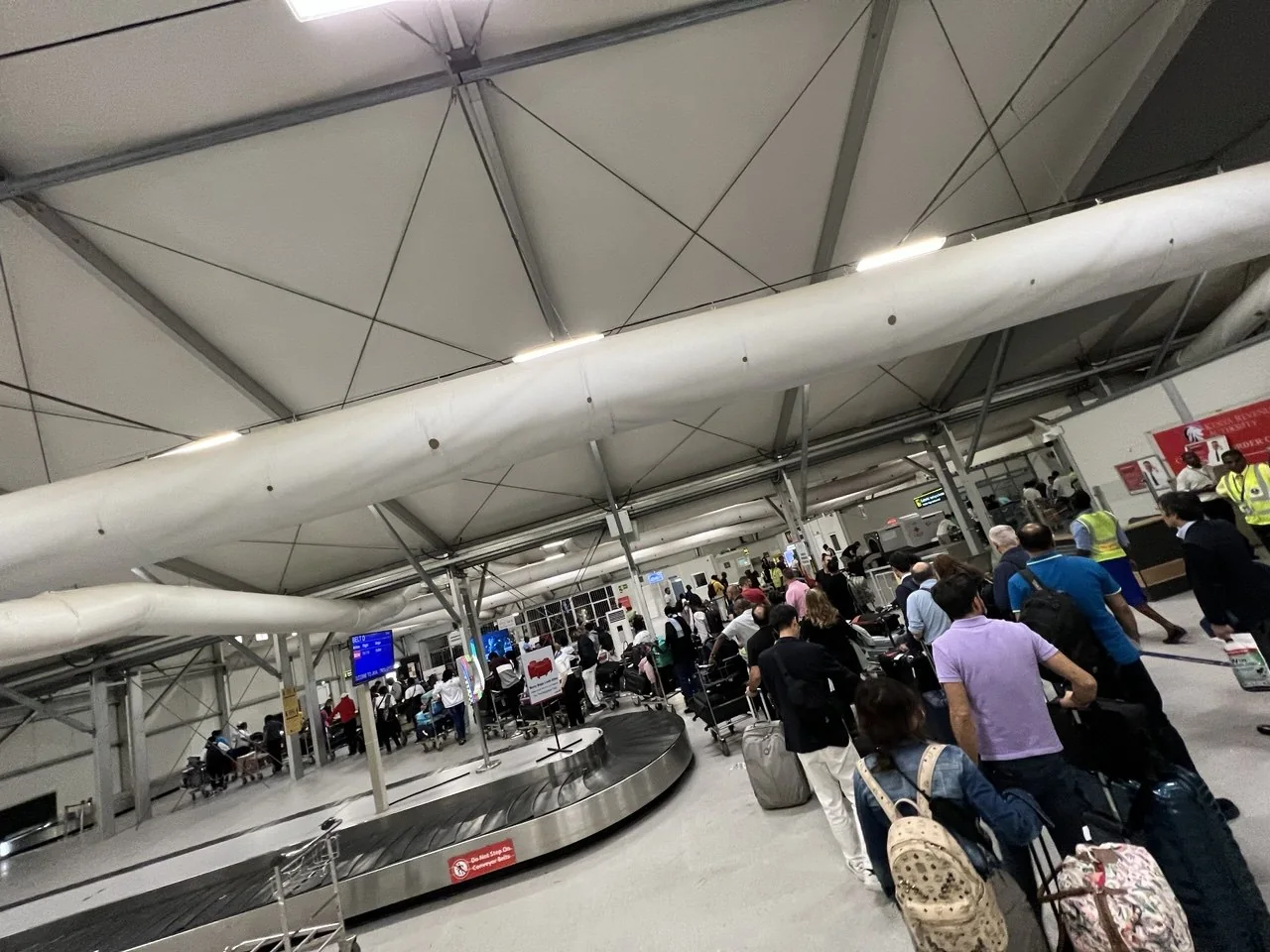
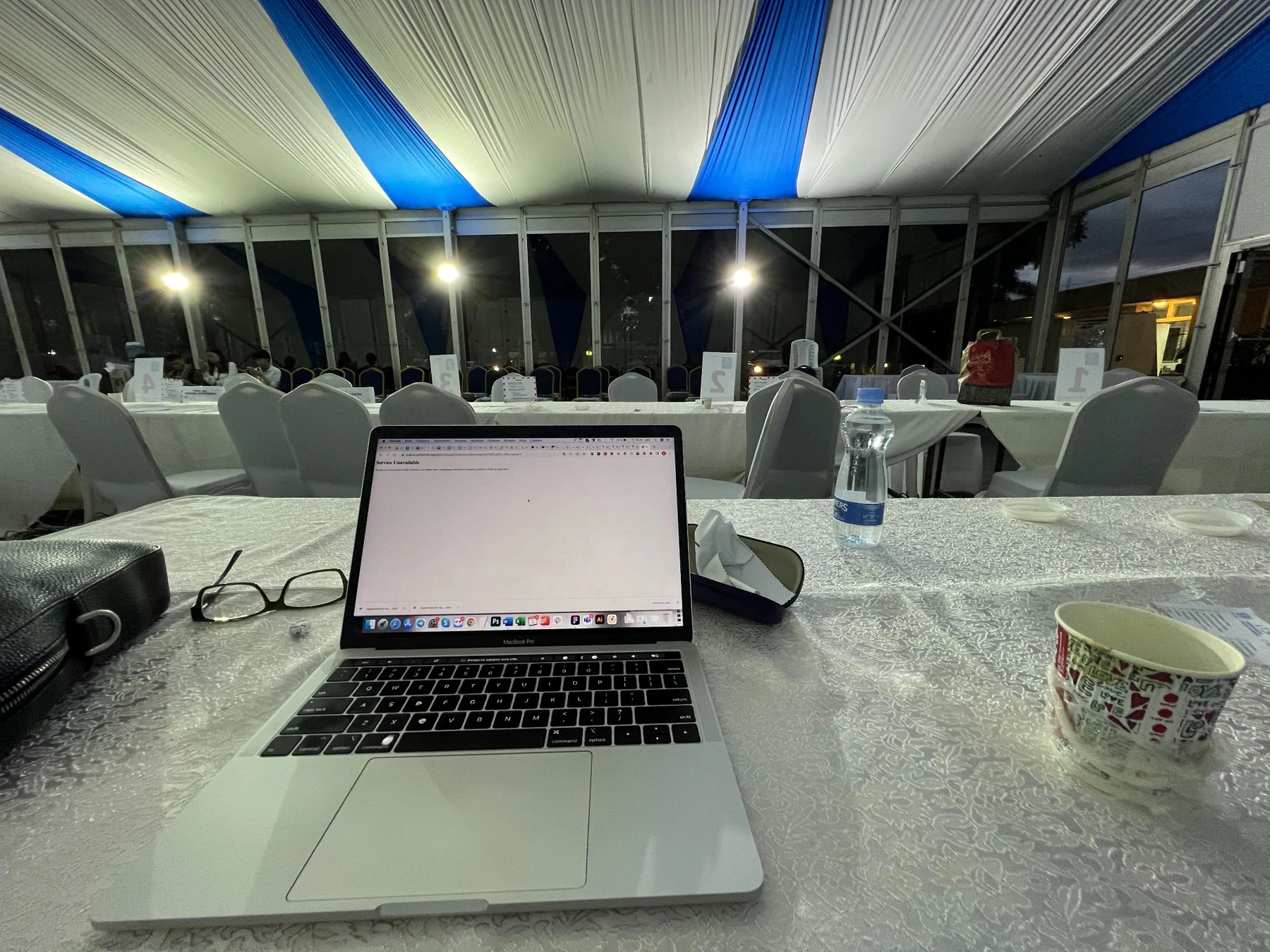
For the full physical process, team setup and on-site operating model:
Explore the UNHA2 event-delivery case →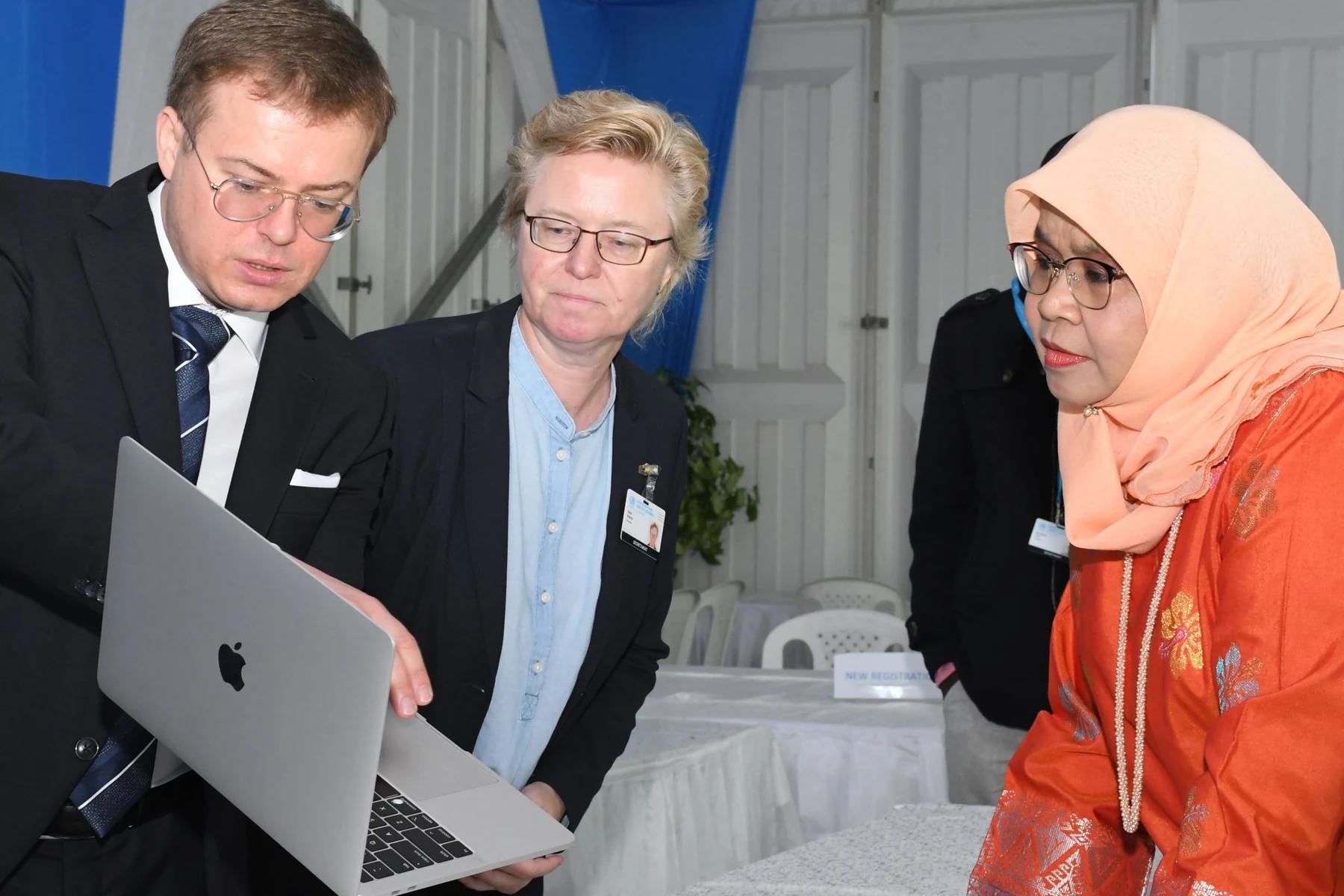
Executive visibility
Showing GEMS Alpha where it was going to be used.
During UNHA2 preparations, Silvia Ragoss and I showed the working system to UN-Habitat Executive Director Maimunah Mohd Sharif on site. The product had moved from a March concept deck to something that could now be demonstrated inside the live event environment.
5 June 2023
The first live deployment.
Alpha was no longer a development environment. It was supporting a real United Nations Assembly and the registration operation around it.
The people behind Alpha
Delivered by a small team under a very short clock.
The first deployment was not the end of the product story. It gave us the evidence, operational experience and problem list needed for the next iteration.
Alpha worked — and showed us exactly what had to change next.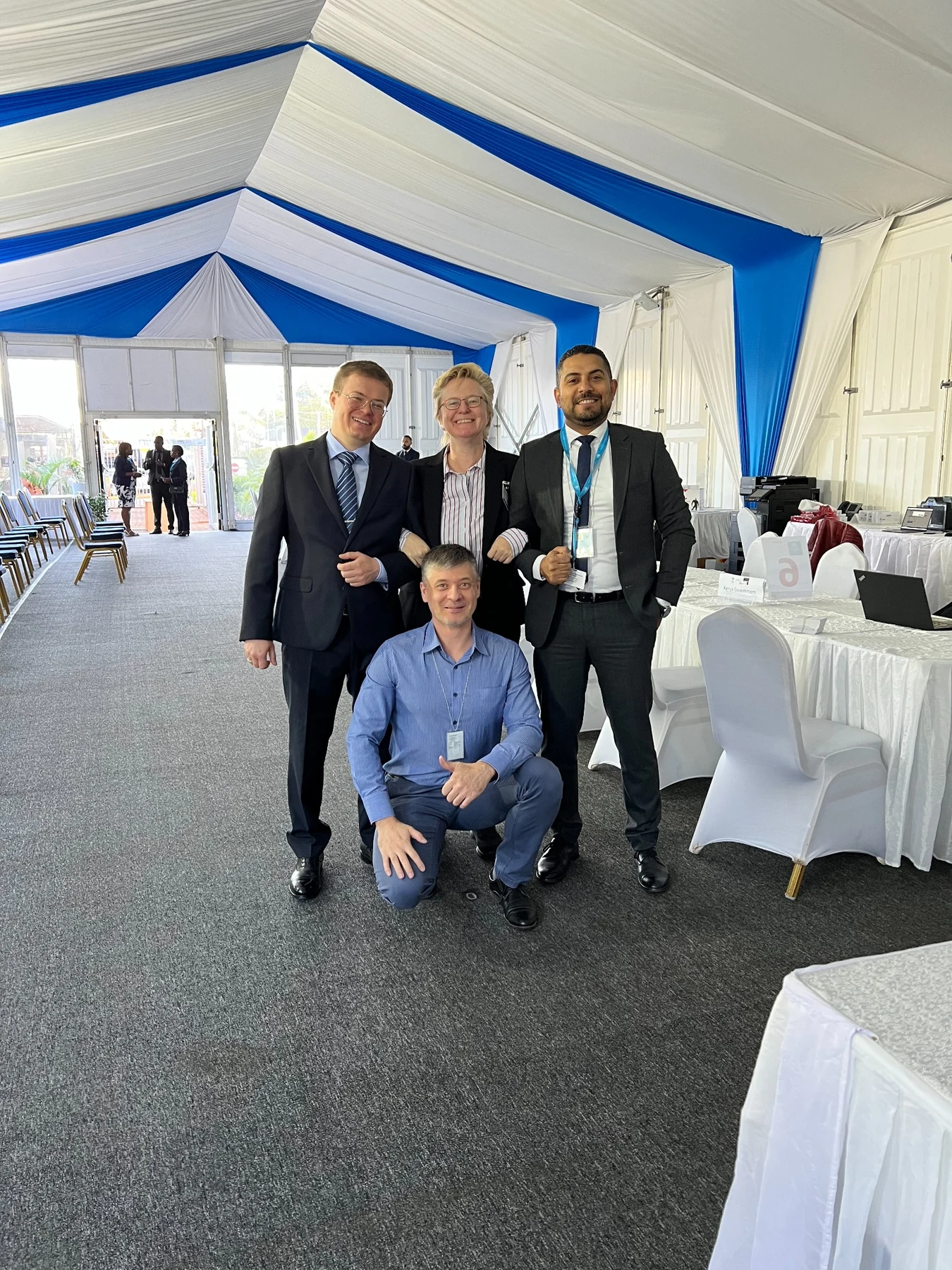
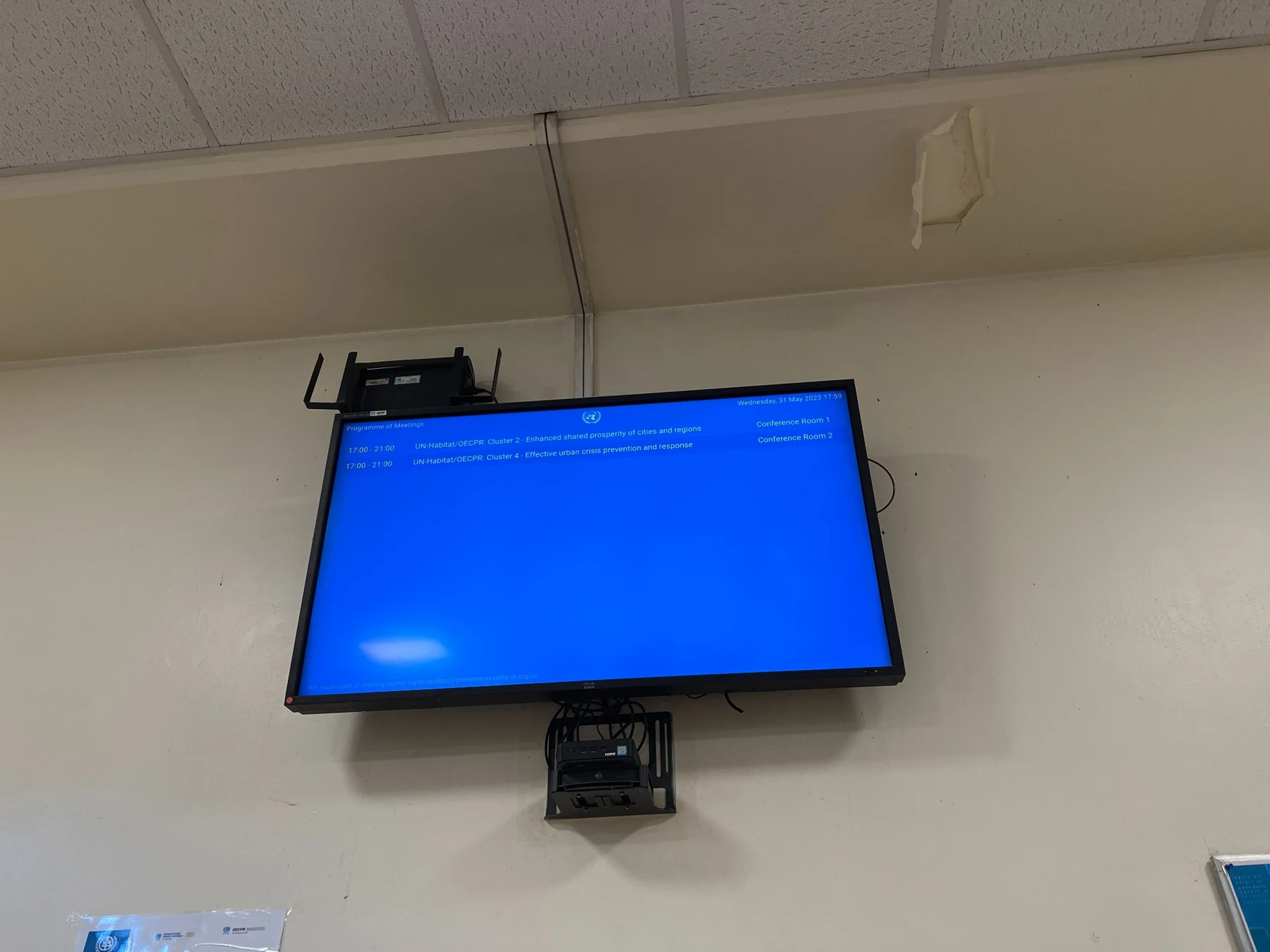
A seed for later
Not every useful idea belonged to GEMS.
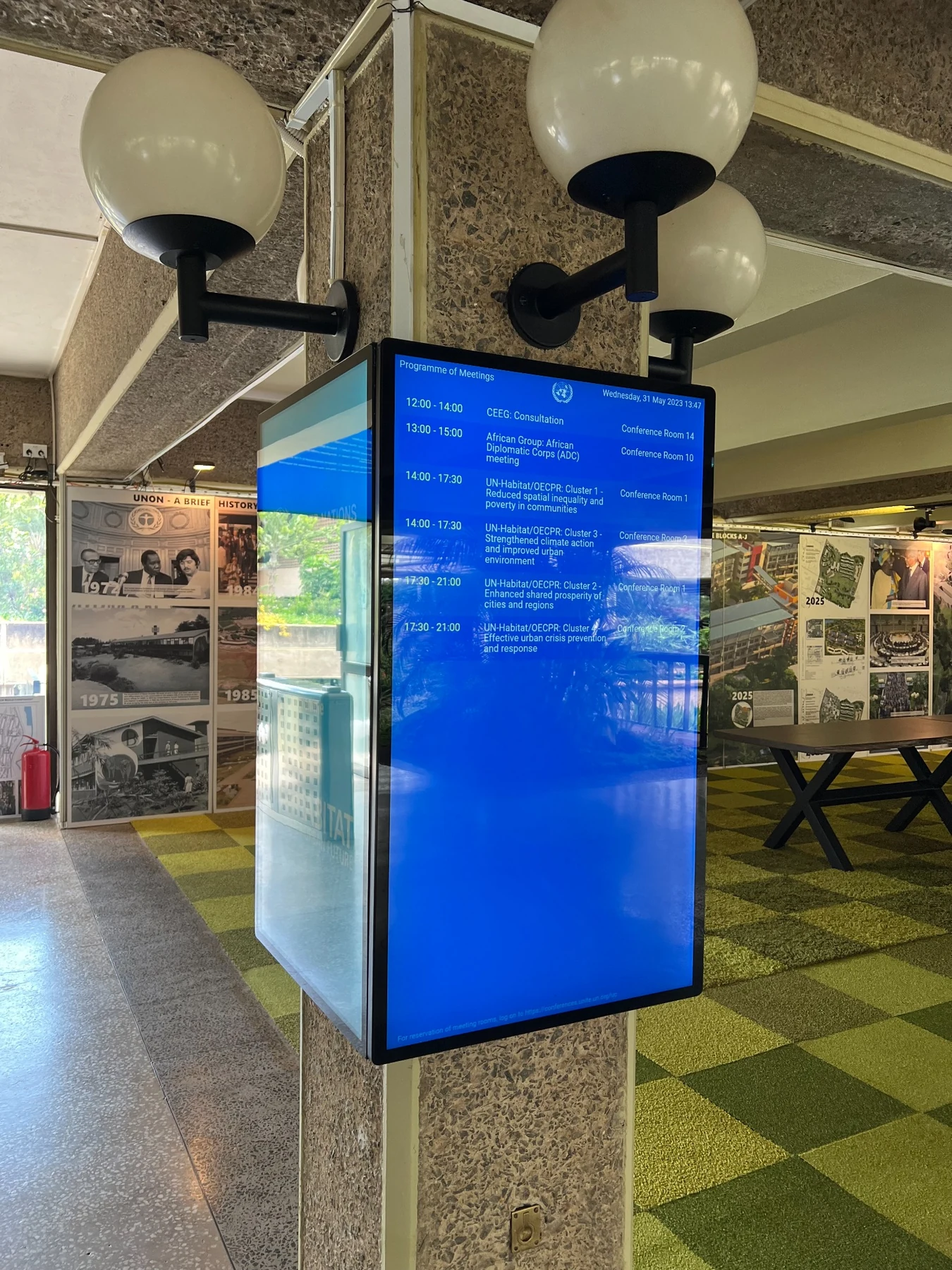
While preparing UNHA2 I photographed the programme and navigation screens around UNON. The idea stayed in my head and later resurfaced in a different form in the digital signage work for I4C in 2026.
What Alpha taught us
The first success also made the limits obvious.
UNHA2 proved that GEMS could work in a live environment. It also showed that the Alpha version had been shaped too tightly around a specific legislative-event scenario. That was enough for a first deployment — but not enough for the broader event portfolio ahead.
03
Act III · July–December 2023
From a working Alpha to a product redesign.
After UNHA2 there were no more trips in 2023. The work moved back into product mode: rethink the architecture, expand the event logic and build a proper UX/UI foundation for what came next.
Back to fundamentals
GEMS Alpha had to be rebuilt almost from scratch.
Because of the compressed timeline to UNHA2, we had effectively shipped an Alpha version tuned to one narrow class of events: legislative sessions. It was enough to support the first live deployment, but not flexible enough for the broader range of UN-Habitat events that were already on the horizon.
That made the second half of 2023 a strategic reset rather than a simple round of bug fixing. The mission was no longer just to improve Alpha — it was to reframe GEMS as a reusable product.
Alpha had been optimized for legislative events
UN-Habitat Assembly, Executive Board and OECPR rely on accredited UN-Habitat and ECOSOC organizations, more controlled participant categories and stricter gatekeeping.
The next wave required openness and moderation
Events like World Urban Forum or World Cities Day are fundamentally more open. Participation is broader, moderation is different and the product logic has to handle larger and more diverse audiences.
Two event models
The redesign had to support both controlled legislative events and open flagship events.
This was one of the major product realizations of late 2023: one registration philosophy would not be enough.
Legislative events
More controlled participation
- UN-Habitat Assembly
- Executive Board
- OECPR
Participants are tied more closely to accreditation rules, recognized organizations and formal governance structures.
Open events
Broader participation with moderation
- World Urban Forum
- World Cities Day
- Other open public-facing events
Anyone can aim to participate, but the system still needs review, moderation and large-scale operational controls.
A proper UX/UI phase
We finally started the painstaking Figma work that Alpha had skipped.
UNHA2 had forced a direct path from notes and comments into development. In the second half of 2023, that changed. We began to work through user flows, structure and interface logic more deliberately in Figma, laying the groundwork for a cleaner and more scalable GEMS Beta.
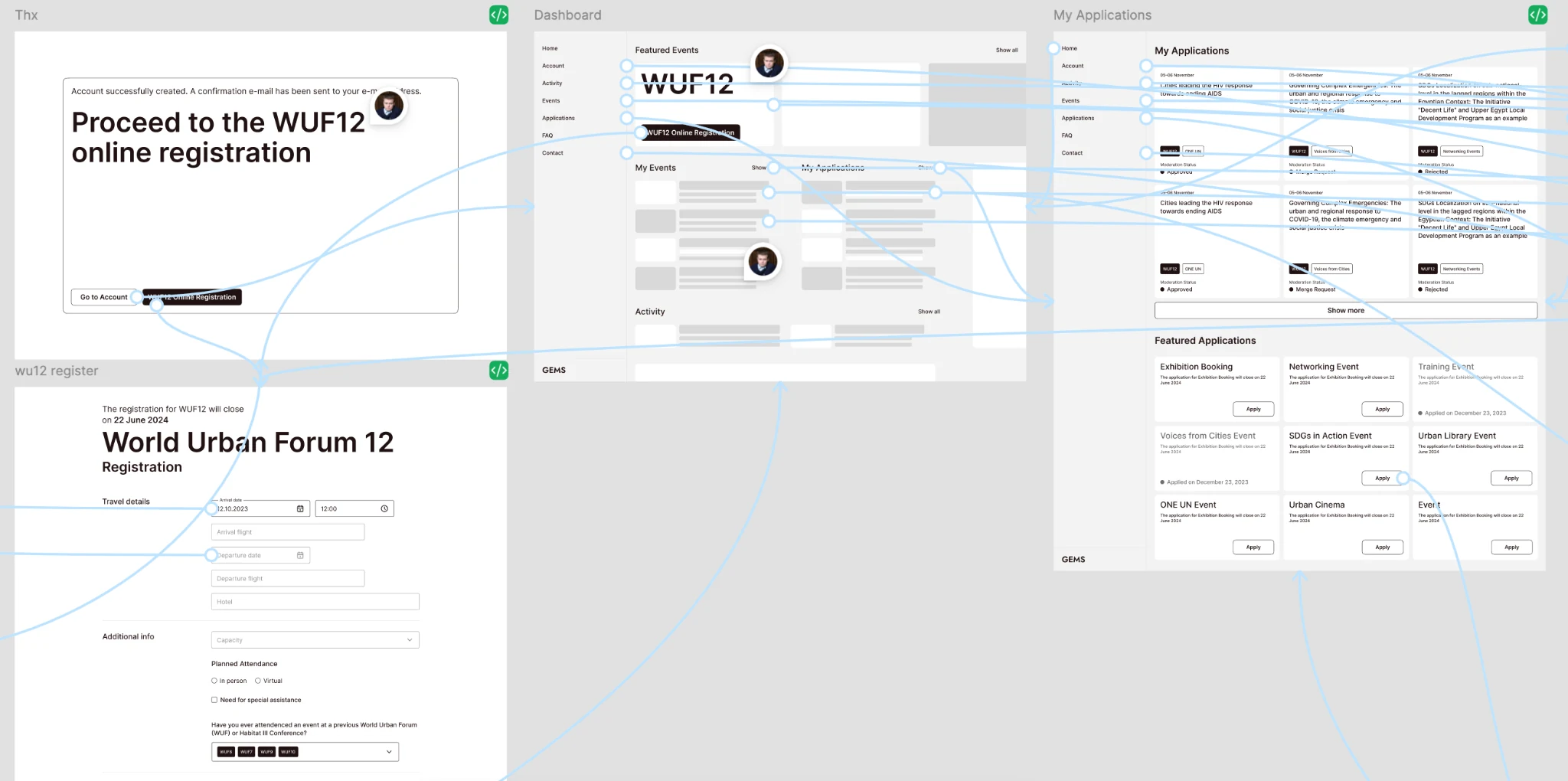
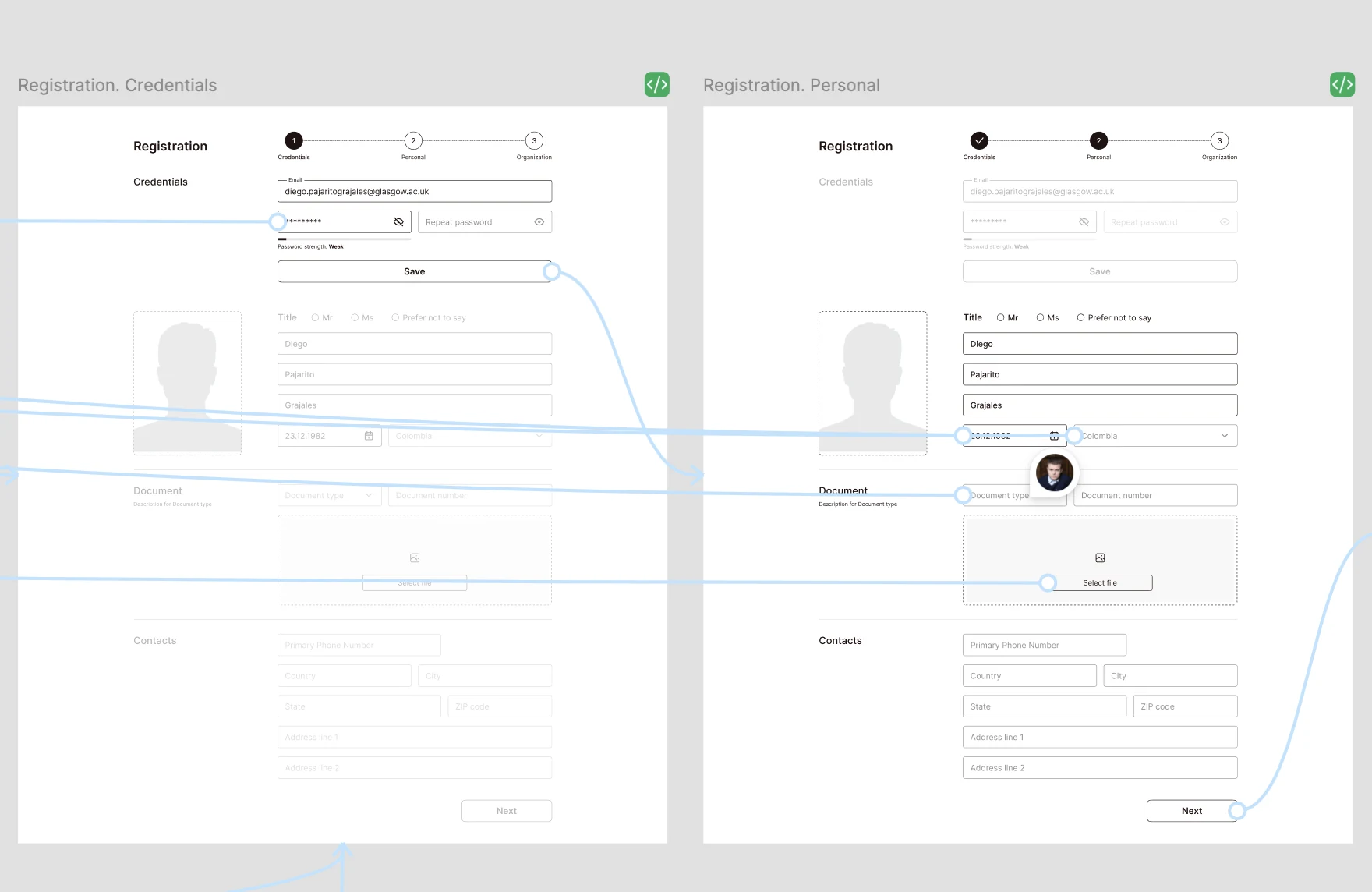
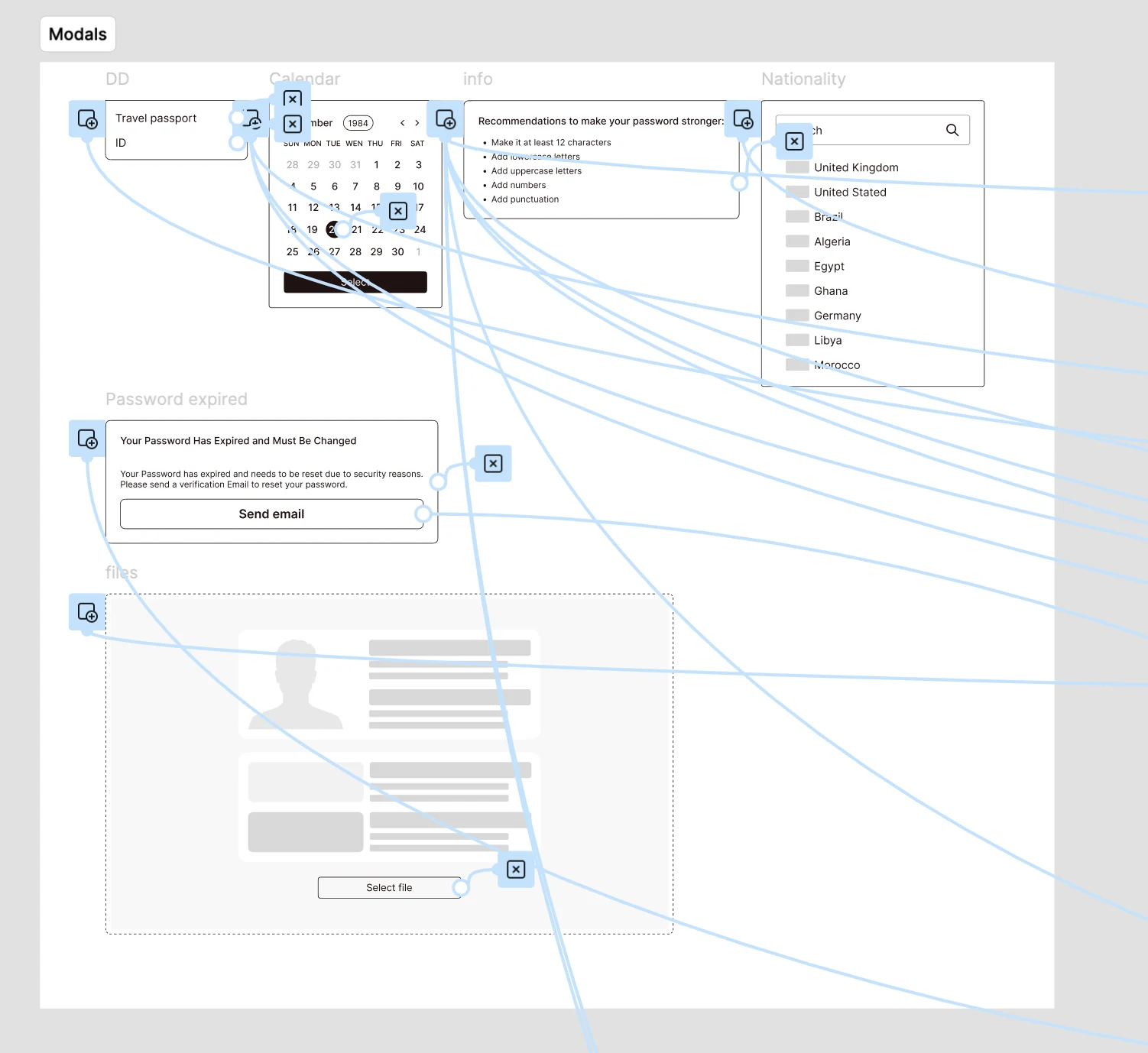
The redesign was now being treated as a connected product system: registration, account management, applications and reusable interface components were mapped together before the next build cycle.
The prototype as a system
Not a set of screens. A map of how the product should behave.
The late-2023 prototype connected user journeys across registration, account management, events and applications. The blue-arrow maps are preserved from the original Figma prototype, while the detailed screens below come from the prototype deck.
What was coming next
2024 already had a demanding runway.
The redesign was not abstract product work. It was driven by known deployments already ahead of us: a governance event in Nairobi, Urban October work, Cairo missions and the huge milestone of World Urban Forum 12.
Preparation work connected to WUF12 and the operating environment in Egypt.
The next governance event where product improvements had to prove themselves.
Another important product use case in the annual events cycle.
Final preparation work leading into deployment on the ground.
The event that would push GEMS beyond Alpha logic and into its first major mature generation.
Start a conversation
Building something that has to work in the real world?
Tell me what you are trying to solve. A short message is enough to start.